
Why Christian Symbols Outlast Media Soundbites
The Cross Triumphs Through Post-Christianity

![[HERO] The Weight of the Wood: Why Symbols Outlast Soundbites](https://substackcdn.com/image/fetch/$s_!2fl-!,f_auto,q_auto:good,fl_progressive:steep/https%3A%2F%2Fsubstack-post-media.s3.amazonaws.com%2Fpublic%2Fimages%2F9b78e8b9-e8c2-451f-8214-004bcba40841_1024x1024.webp "[HERO] The Weight of the Wood: Why Symbols Outlast Soundbites")
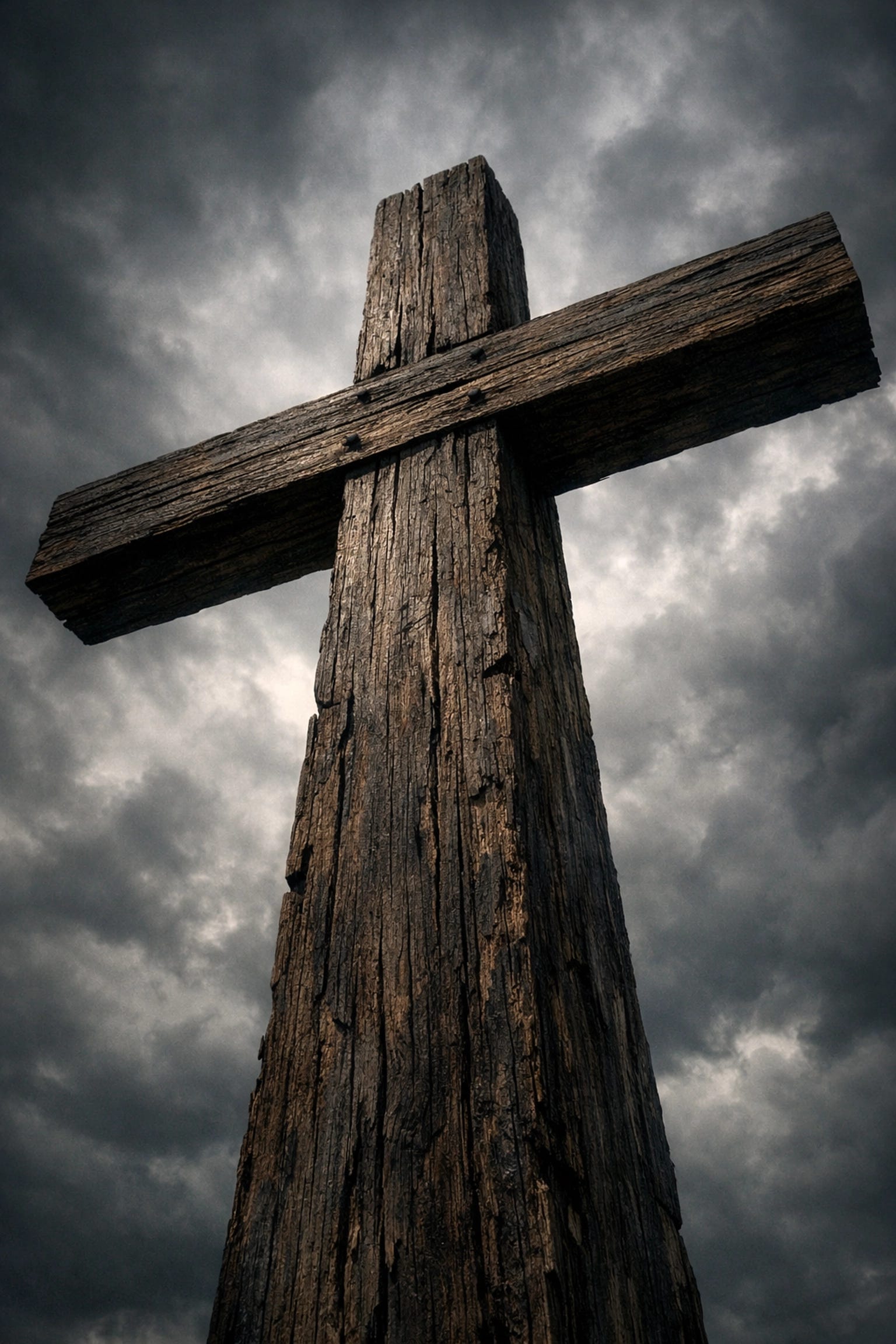
The Roman sky hung heavy over the Colosseum on Good Friday, yet the most striking sight remained the physical presence of a man shouldering a massive timber frame while thousands watched in a silence that felt heavier than the wood itself. Pope Leo XIV decided to personally carry the cross through every single station, which represents a profound departure from the customary practice of observing while younger hands do the lifting. This physical exertion was a homily, illustrating that the role of the Vicar of Christ involves a deliberate disappearing act where the man vanishes so the Master can take the foreground. Our current culture suffers from a chronic addiction to the soundbite, demanding that every leader provide an immediate, catchy, and politically aligned statement for every tragedy that flickers across our screens. We often forget that a single symbolic action carries more theological weight than a thousand press releases issued by a committee of consultants. By choosing to walk that path of sorrow with the cross on his shoulder, the Pope communicated a reality that remains far more transformative than any diplomatic memo could ever hope to achieve.
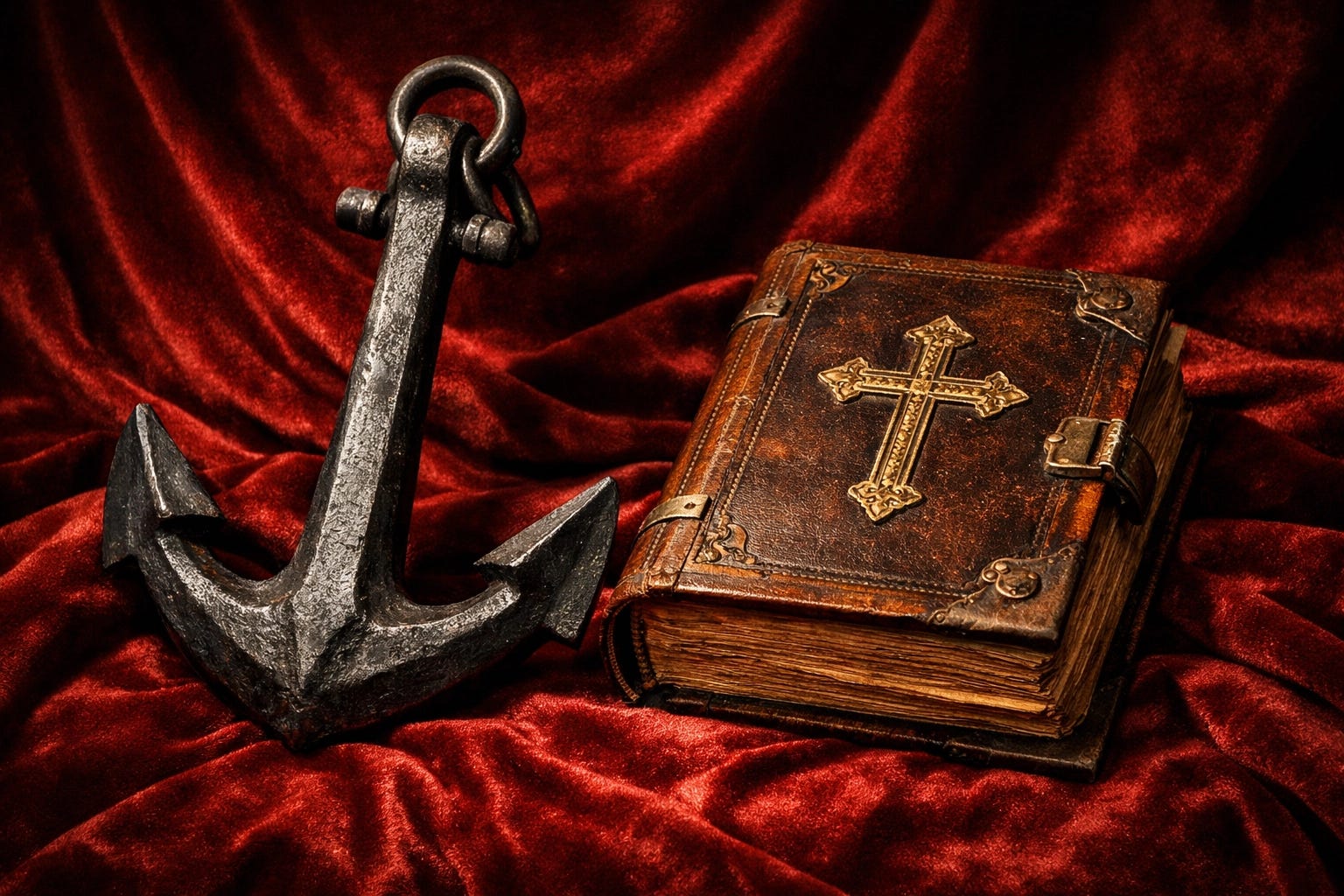
The world of international relations operates on a currency of rhetoric, yet the Church speaks a language that is fundamentally sacramental and rooted in the tangible. When Leo XIV appeared in the traditional mozzetta or reinstated the washing of the feet at St. John Lateran, some observers viewed these choices as a retreat into the past. These critics fail to realize that tradition serves as an anchor in a stormy sea, providing a fixed point of reference while everything else drifts toward the horizon of moral relativism. You can find more about how these ancient practices inform our modern walk in our reflection on finding unity in the beauty of tradition, which explores the depths of our liturgical heritage. Anchoring the present in the eternal allows the Church to remain relevant because she refuses to be merely trendy, ensuring that her message survives the expiration date of the latest social media trend.
The demand for the Pope to act as a global political player overlooks the unique nature of the Holy See, which functions as a prophetic voice rather than just another seat of government. Secular commentators often express frustration when the Pontiff avoids taking a partisan side in a conflict, although his primary mission involves pointing toward the “unarmed peace” that only Christ provides. This brand of peace differs significantly from a simple ceasefire negotiated between warring parties, because it requires a radical transformation of the human heart that no treaty can mandate. While the world searches for a political messiah to solve the crisis of the hour, the Church consistently reminds us of the danger of political messiahs who promise earthly utopias at the cost of spiritual truth. The symbolic power of the Cross at the Colosseum speaks to this unarmed peace, demonstrating that victory comes through sacrifice over and above the superior application of force.
Modern media environments find themselves uniquely ill-equipped to handle the weight of symbols, primarily because a symbol refuses to be quantified or reduced to a data point. A headline can summarize a speech, yet it lacks the capacity to capture the profound disruption of a Pope kneeling in the dust to wash the feet of his priests. This inability to measure symbolic impact often leads the press to treat these moments with a certain level of indifference, as if the gesture carries no real-world consequences for the fate of nations. History consistently reveals that symbols change the world more effectively than headlines because they speak directly to the human imagination, which is the birthplace of all significant cultural shifts. We see this play out in the way Fulton Sheen captured the imagination of a generation by using the medium of his time to project timeless truths into the living rooms of millions. Symbols bypass the intellectual defenses of the skeptic, landing squarely in the soul where they begin the quiet work of conversion and renewal.
The true diplomatic power of the Church lies in her ability to set a vision of human dignity that transcends the immediate concerns of any specific election cycle or geopolitical struggle. By focusing on the Cross, the Pope provides a template for the faithful to take responsibility for their own spheres of influence within the culture. This approach creates a healthy form of synodality where the leadership provides the spiritual fuel, while the laity carry the light of the Gospel into the marketplaces and the digital continents of our age. It is a call to action that requires us to look at 5 lessons about us at the cross to understand how we are meant to live in a world that often feels hostile to the message of the Gospel. Every Christian possesses the mandate to be a living symbol, translating the pain of the Good Friday liturgy into a loud and joyful witness during the mundane activities of a Tuesday afternoon.
The world might continue to demand more rhetoric, although the Church will likely continue to offer the weight of the wood as her primary answer to the questions of the age. There is something profoundly conservative about this refusal to adapt the message to the whims of the crowd, as it preserves the integrity of the faith for those who will come after us. This preservation ensures that the post-Christian West will always have a home to return to when the hollow promises of secularism finally fail to satisfy the hunger of the human heart. The cross at the Colosseum reminds us that the most effective way to lead is often to disappear, allowing the truth to stand on its own two feet while we simply provide the strength to carry it.
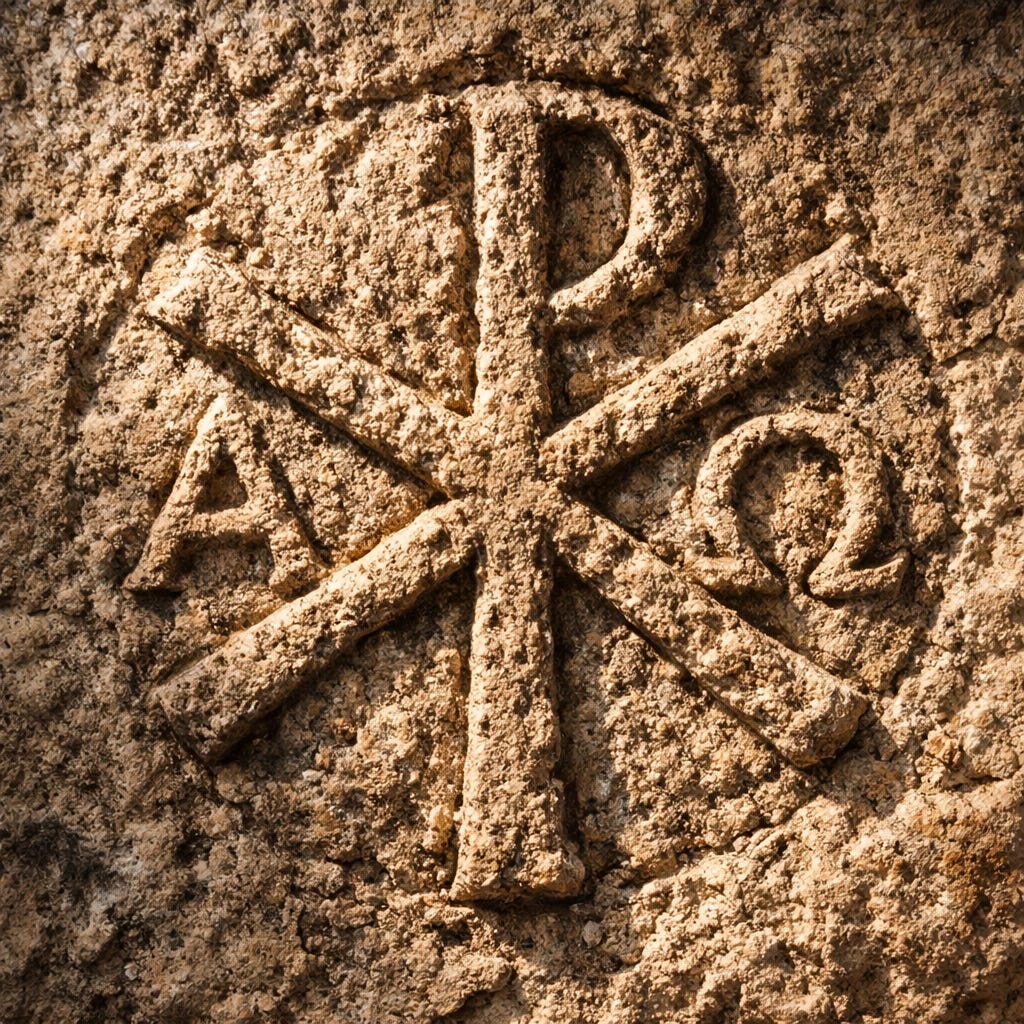
We find ourselves at a point in history where the noise of the world has become deafening, making the power of tradition more necessary than ever before. Choosing symbols over soundbites is a challenge to the superficiality of our time, inviting every person to look deeper than the surface of the news cycle. The Holy See understands that the most impactful messages are often the ones that require the most effort to hear, just as the most valuable treasures are often the ones that are hidden in plain sight. As we navigate the complexities of our current media climate, let us keep our eyes fixed on those symbols that have stood the test of two millennia, because they alone possess the power to anchor our souls in the midst of the storm. The weight of the wood is heavy, yet it is the only burden that actually makes the one who carries it feel truly free.