

5 Lessons About Us at the Cross
The Passion Mirrors Our Souls

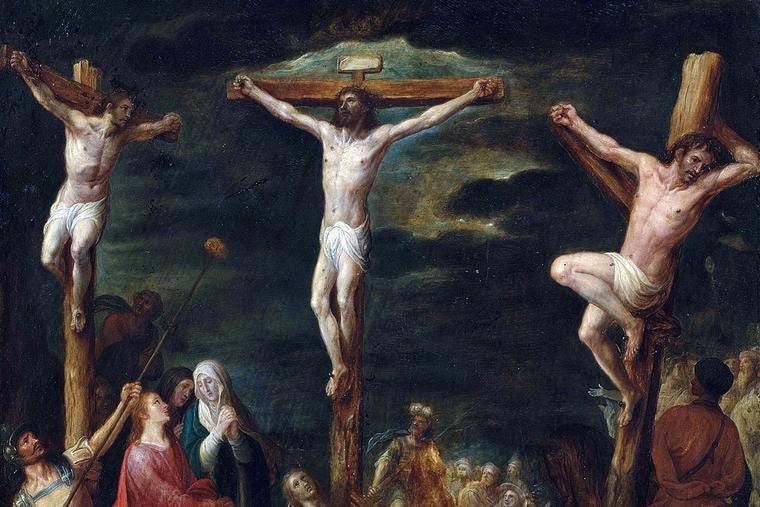
The Passion is sacred history. It is a real historical event, but it is also a light that reveals the human heart; every character in the story is also a temptation inside of us. When the Church proclaims this Gospel, Jesus keeps asking the same question in every generation, including ours: will you let My suffering expose your compromises so My Resurrection can rebuild your life?
If we want a faith and culture renewal that actually transforms, we have to let Christ’s Passion confront our instincts, our politics, our online habits, our moral excuses, and our treatment of the human person. Natural law is written into reality itself, and the Passion shows what happens when a society suppresses it. Judeo-Christian civilization was built on truth, repentance, and grace. Here are 5 ways we often use to run away from the passion:
1) The Barabbas Bargain
The crowd chose Barabbas, a man of violent revolt, over Jesus, the Prince of Peace, which tells us something uncomfortable about ourselves. We love the kind of “savior” who promises immediate victory, fast payback, and visible power, especially when we are threatened or humiliated. We start thinking the revolution will heal what only conversion can heal.
In modern life, the Barabbas bargain shows up when we trade the Gospel for pure political adrenaline, when we start trusting tactics more than truth, when we treat the other side as subhuman instead of a mission field. Conservatives have done important work defending life, family, and sanity in public policy, and I stay grateful for that. A healthy conservative movement still needs the Cross at the center. Politics can restrain evil, but only Jesus transforms hearts. The Passion teaches that when we enthrone a worldly “strongman” as our ultimate hope, we end up handing the true King over to be crucified in our own priorities.
2) The Ritualist’s Trap
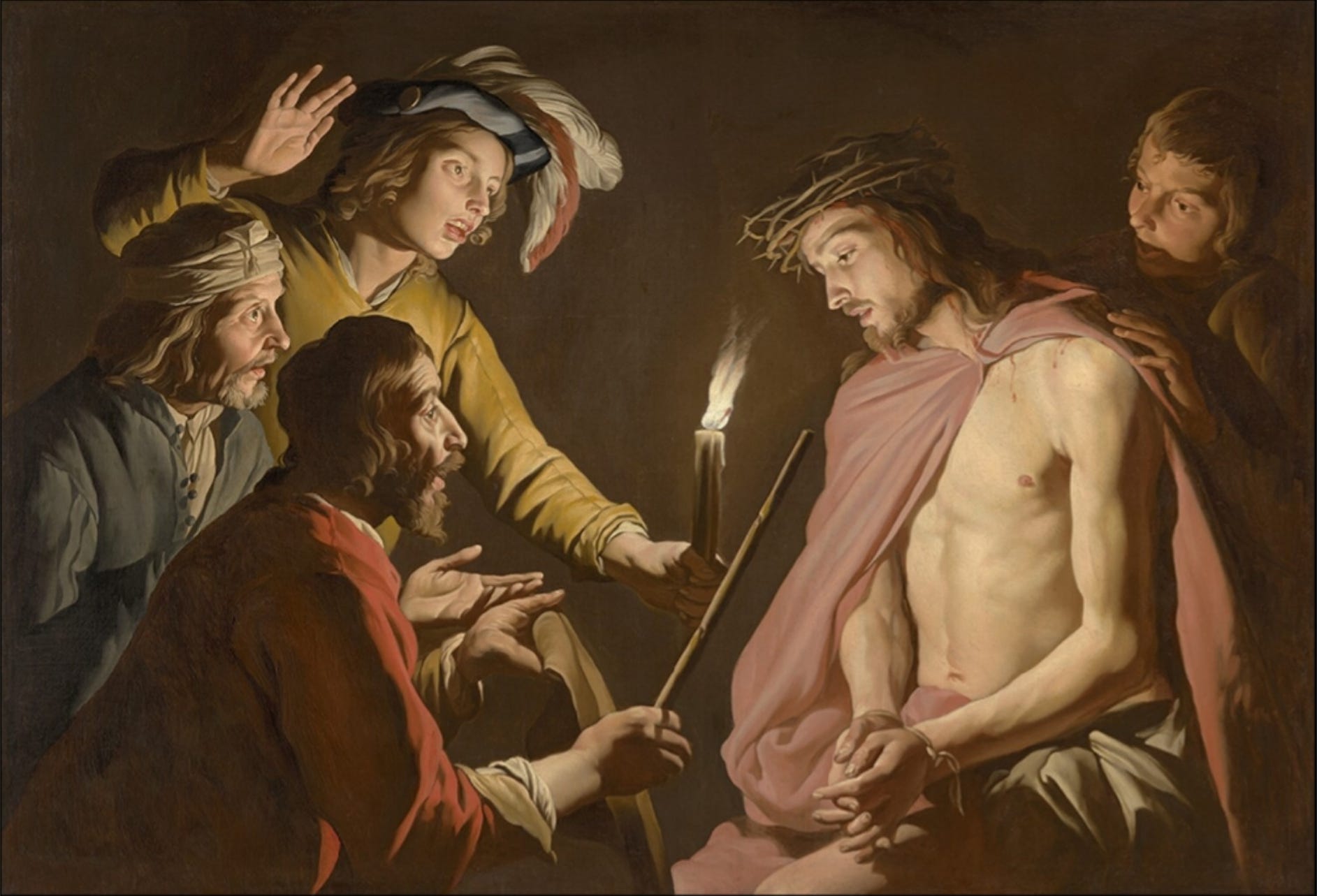
The religious leaders in the Passion narrative obsessed over external cleanliness and procedural correctness while plotting the death of the Innocent One. That is the ritualist’s trap, and every age has its own version. People can perform “rightness” in public while harboring malice, envy, indifference, or a quiet hatred for truth in private.
Today the ritual might look like virtue signaling on the left, and it can look like performative piety on the right; both sides can use symbols as a costume. The ritualist’s trap also shows up when we treat the Faith as a brand, the liturgy as an accessory, and moral language as a weapon. Natural law demands integrity, which means the inside and the outside have to match, and Christianity demands even more. Grace aims at holiness rather than image management.
If Holy Week reveals anything, it is that God sees through the performance. The Passion calls us to confession, to humility, to a clean heart, to a life where our public “correctness” flows from actual conversion.
3) The “What is Truth?” Shrug
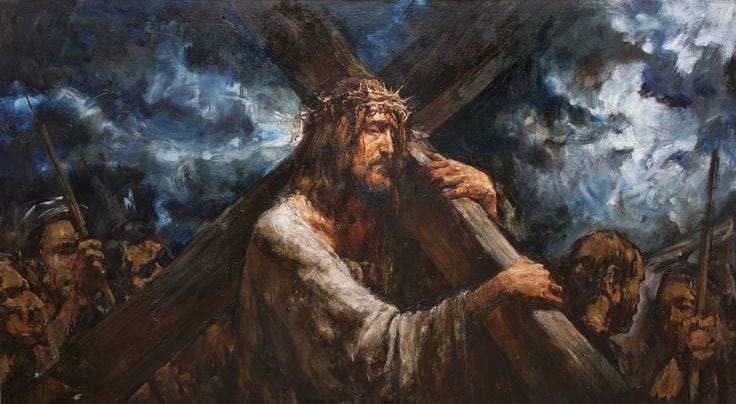
Pilate’s question, “What is truth?”, can become a shrug that kills the soul. When truth becomes personal preference or social convenience, justice becomes impossible, since power fills the vacuum. Pilate recognized innocence and still handed Jesus over, which is what happens when objective moral reality gets treated like a debate topic instead of a duty.
This shrug is everywhere in modern faith and culture. People talk as if human nature is plastic, as if male and female are optional, as if life in the womb is a matter of opinion, as if marriage is whatever the latest consensus wants it to be. Judeo Christian morality has always insisted that truth is real, knowable, and binding, and natural law simply names that structure built into creation.
Holy Week pushes us to stop outsourcing truth to institutions, trends, and comment sections. Truth is a Person, and He stands in front of Pilate in silence, which means the real question becomes whether we will follow Him when truth costs us something.
4) The Mockery of the Body
The scourging and the mocking of Jesus’ body reveal a deep rebellion against the meaning of the human person. In the Passion, the body is treated as an object, a punching bag, a prop for entertainment, and a tool for political control. Once the body is reduced to an instrument, cruelty becomes a practical option.
That same logic hits our streets and our screens when we ignore natural law and treat people as units of utility. It shows up in pornography, in exploitation, in predatory economics, in the sterilization of sexuality, in medical procedures that mutilate rather than heal, in euthanasia that calls abandonment “care,” in any system that treats the vulnerable as disposable. The Passion teaches that when we participate in the mockery of the body, even indirectly through consumption, silence, or rationalization, we join the soldiers around the pillar.
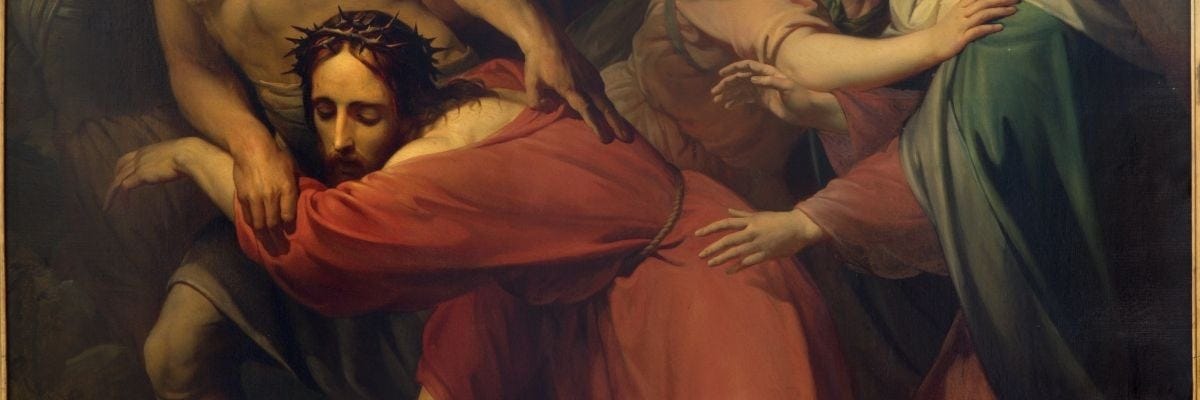
Jesus restores human dignity by taking the wounds into Himself and turning suffering into redemption. The answer is a renewed reverence for the body as created, meaningful, and destined for resurrection.
5) The Comfort of the Crowd
The crowd is loud in the Passion, and the crowd is wrong. That should sober every one of us: crowds make us feel safe. The comfort of the crowd lets us avoid personal responsibility, because we can tell ourselves that everyone thinks this way, everyone shares this meme, everyone stays silent, everyone bends the knee to the current thing.
This is amplified on social media, where outrage is rewarded, nuance is punished, and people confuse popularity with righteousness. In local communities it looks like staying quiet at the family table, at work, or even at church, as conflict is costly. The Passion teaches that mob approval is a counterfeit sacrament. It promises belonging and delivers cowardice.
Holy Week invites a different kind of courage, the courage of conscience formed by Scripture, the Church, and natural law, which means you can stand firm without becoming hateful. The Resurrection never needed a majority vote.
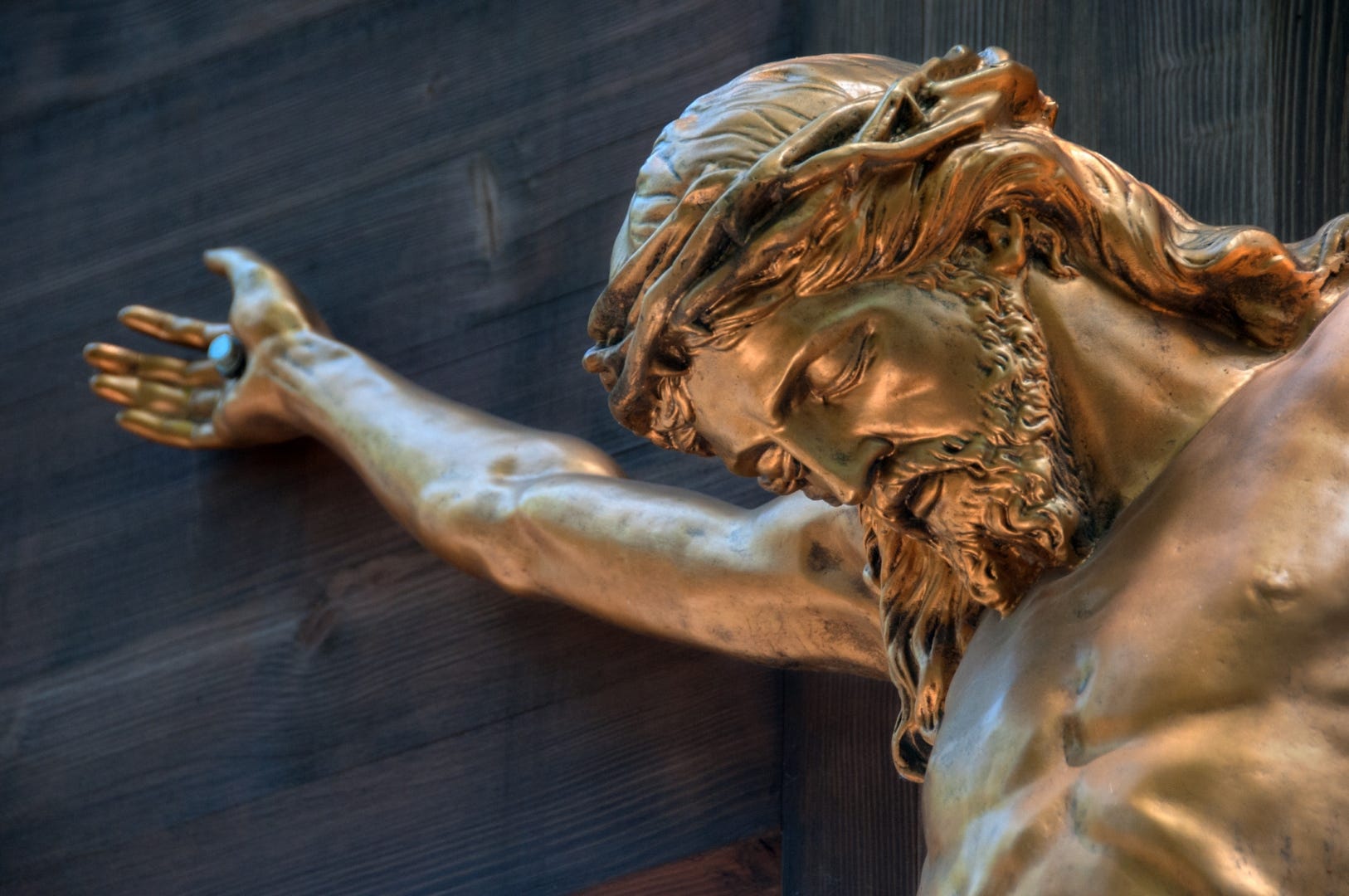
Walking with Jesus Toward Easter
The point of this reflection is simple: the Passion exposes us so grace can heal us. Jesus does more than identify our patterns, since He offers a way out. He shows us what real power looks like, what real truth costs, what real love does with a body, and what real courage looks like when the crowd turns.
As Holy Week moves forward, let’s make it personal in a practical way. Choose Christ over the Barabbas substitute. Choose integrity over performance. Choose truth over the shrug. Choose reverence over utility. Choose conscience over the mob. That is how a Judeo Christian renewal becomes more than a slogan, and that is how faith and culture get rebuilt from the inside out, one soul at a time, at the foot of the Cross with eyes already fixed on Easter morning.