
The High Cost of Faith in Xi’s China Today
A Wake Up Call for Us in the West

![[HERO] The High Cost of Faith in Xi’s China Today: A Wake Up Call for Us in the West](https://substackcdn.com/image/fetch/$s_!OToG!,f_auto,q_auto:good,fl_progressive:steep/https%3A%2F%2Fsubstack-post-media.s3.amazonaws.com%2Fpublic%2Fimages%2Fd942b0c1-09bf-4258-9ab2-ba232ddab90c_1536x1024.webp "[HERO] The High Cost of Faith in Xi’s China Today: A Wake Up Call for Us in the West")
The landscape of religious freedom in East Asia demands our immediate attention because the latest reports from Human Rights Watch indicate a systematic dismantling of the underground Catholic community through sophisticated state mechanisms. On April 15, 2026, a chilling document was released that detailed how the Chinese Communist Party continues to escalate its repression despite the various diplomatic overtures made over the last decade. While we often view religious persecution through the lens of ancient history, the current reality for our brothers and sisters in China reflects a futuristic nightmare where technology and policy combine to suffocate the soul. This report serves as a haunting reminder that the intersection of faith and culture remains the primary battleground for the human spirit in our modern age.

The 2018 Agreement: A Tool for Pressure
A significant portion of the Human Rights Watch report focuses on the aftermath of the 2018 Holy See-China agreement, which many originally hoped would provide a path toward stability for the Church. Rather than fostering a genuine environment for Christianity to flourish, the Chinese authorities have repurposed this agreement as an overarching structure to coerce underground Catholics into joining the state-sanctioned Patriotic Association. Many worshippers expressed a profound sense of betrayal because they feel the very institution meant to protect their spiritual heritage has inadvertently provided the state with a roadmap for their subjugation. Those who refuse to swear fealty to the party over their conscience find themselves marginalized and treated as enemies of the state. This political maneuvering highlights the inherent tension between secular power and the divine authority that the Church represents, as seen in my previous discussions on the danger of political messiahs.
The report suggests that the Vatican should urgently review the terms of this agreement because the escalating intimidation of clergy and worshippers demonstrates a clear violation of the original intent. Witnesses interviewed for the report explained that they feel they have no other choice except to join the official church, which effectively subordinates the Gospel to the whims of the Communist Party. The reality on the ground contradicts the diplomatic narrative of progress, showing instead that the agreement has provided the Chinese Communist Party with the leverage needed to demand total conformity.
Modern Martyrdom and Digital Erasure
We must recognize that the face of martyrdom has changed in the twenty-first century because the state now uses economic and digital tools to erase the faithful from society. The report details instances where Catholic priests are barred from owning bank accounts, obtaining SIM cards, or even holding a passport, which essentially renders them invisible and incapable of surviving in a modern economy. This form of “soft” persecution aims to starve the ministry by cutting off the very means of survival that every modern citizen takes for granted. One specific account mentioned a priest who has no means to make ends meet for even a couple of days because the state has revoked his access to the digital infrastructure of the country.
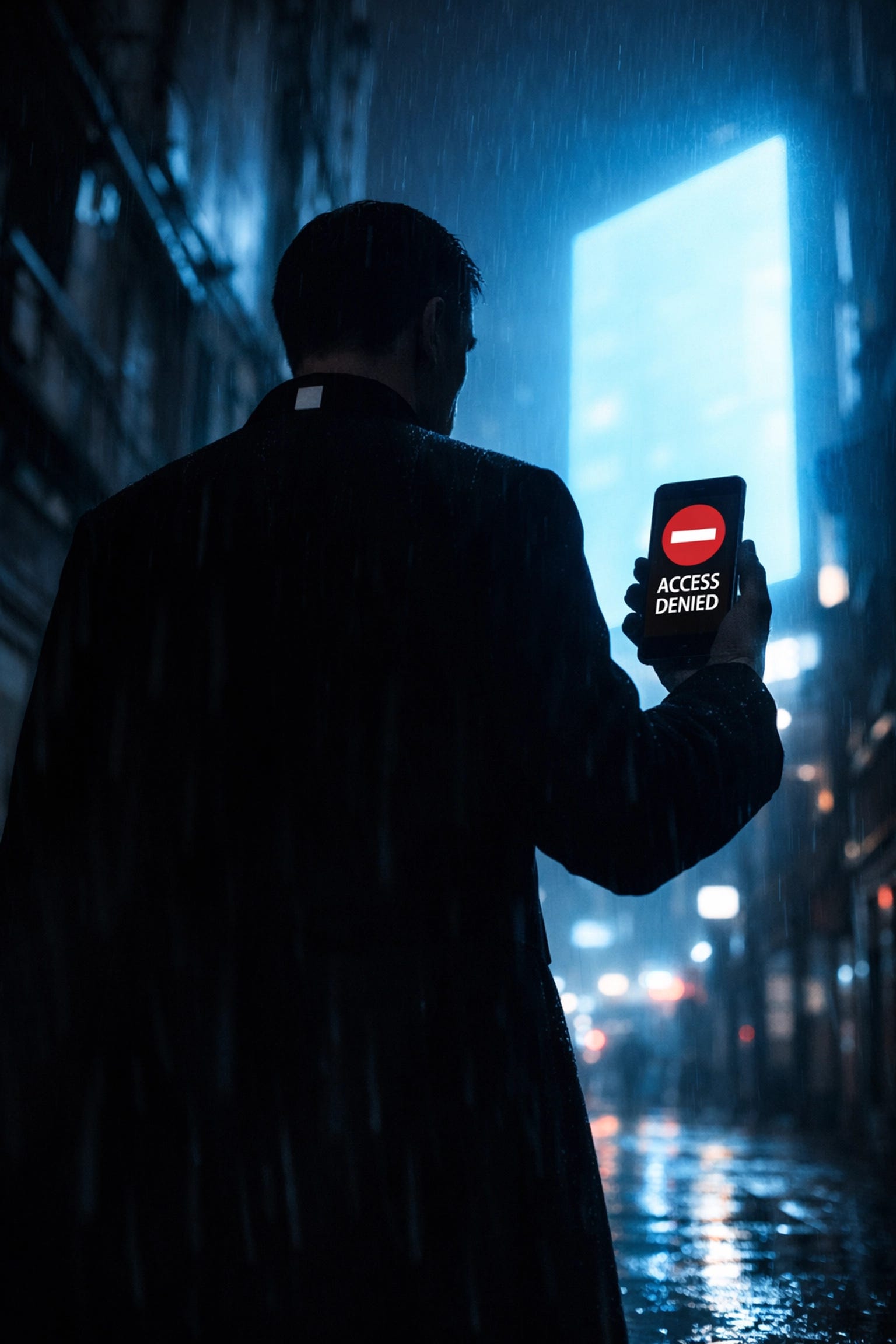
This digital erasure represents a new frontier in the struggle for religious freedom because it targets the physical and social existence of the believer without necessarily resorting to the violent tactics of the past. When a priest cannot teach or evangelize online, the reach of the Gospel is artificially restricted by a regime that fears the liberating power of Truth. We should see this as a warning for how technology can be weaponized against the Church even in the West, which is why we must remain vigilant as apostles of the digital continent. The ability of a government to switch off a person’s ability to participate in society based on their religious conviction remains one of the greatest threats to human dignity today.
Sinicization: Rewriting the Sacred
The Chinese government’s campaign of “Sinicization” serves as a direct assault on the universal Truth of the Gospel because it attempts to remake Christianity in the image of the state. Reports have surfaced of local officials forcing churches to replace displays of the Ten Commandments with quotes from President Xi Jinping, which is a clear attempt to substitute divine law with political ideology. This effort to harmonize faith with the mandates of the party essentially strips the religion of its transformative power and replaces it with a hollow shell that serves the interests of the regime. True Christianity remains inherently counter-cultural because its ultimate allegiance lies with a King whose kingdom is separate from this world.
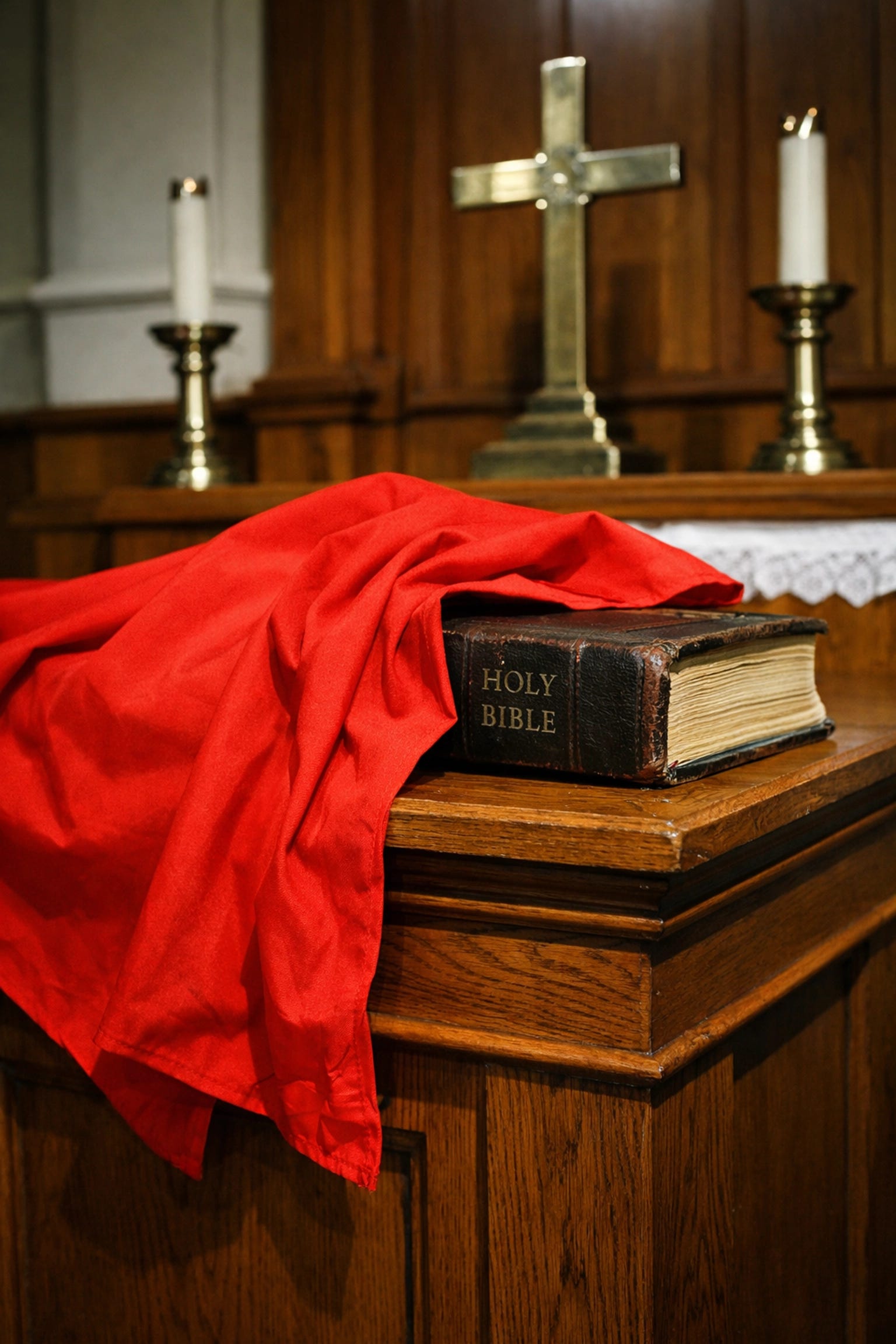
When the state attempts to rewrite the Bible or control the interpretation of scripture, it violates the principles of natural law that grant every individual the right to seek the Truth without government interference. The universal nature of the Church stands in direct opposition to the narrow nationalism of the Sinicization campaign because the Gospel belongs to every tribe, tongue, and nation. We see a similar struggle in our own culture where secular ideologies attempt to redefine moral reality, yet we know that Christian symbols outlast the media and the various political trends of the day. The attempt to replace the eternal Word with the temporary slogans of a political leader is a fool’s errand that historically leads to the collapse of the very society attempting the replacement.
A Wake-Up Call for the West
The suffering of the Church in China should act as a profound wake-up call for those of us living in the West because the erosion of religious liberty often begins with small compromises before escalating into total control. We frequently take our freedoms for granted while our brothers and sisters in the East are literally losing their identities for the sake of the Cross. The situation in China reminds us that the state often views an independent moral authority as a threat to its totalist ambitions. By observing the tactics used by the CCP, we can better identify the subtle ways our own institutions might begin to marginalize those who hold to traditional Christian values.
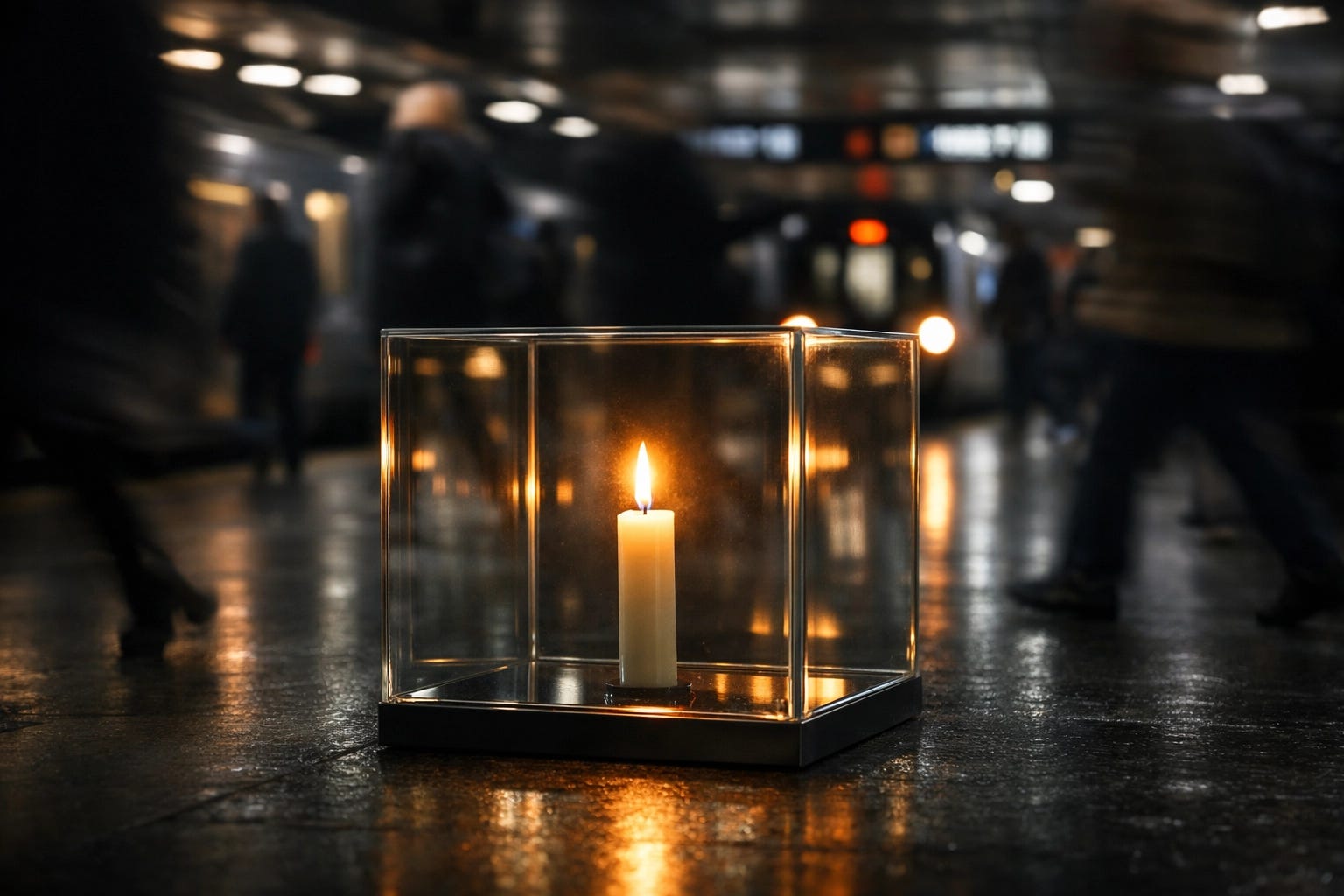
Our commitment to religious freedom must be rooted in a deep understanding of natural law, which teaches that our rights come from God rather than the state. If we allow the government to become the sole arbiter of what is true and moral, we risk following the same path toward the repression we see in China today. The recent SCOTUS win for Christian counseling is a positive step in our own legal landscape, yet the global trend toward secular authoritarianism requires our constant prayer and advocacy. We must stand in solidarity with those who refuse to bow the knee to Caesar, recognizing that their struggle is our struggle as well.
A Call to Action: The World Day of Prayer
As we approach May 24th, which marks the World Day of Prayer for the Church in China, we have a unique opportunity to lift our voices in unison for those who are silenced. Pope Benedict XVI originally designated this day to honor Our Lady, Help of Christians, and to remind the global Church to intercede for the faithful in China. We should reclaim this day with a renewed sense of urgency because the current report from Human Rights Watch proves that the need for divine intervention and international pressure is greater than ever. It is easy to feel helpless when faced with the power of a global superpower, yet we know that the power of prayer and the witness of the martyrs has changed the course of history before.

I encourage you to learn more about the reality of the global Church by visiting my about page or exploring the archives for more commentary on faith and culture. Let us commit ourselves to being a voice for the voiceless and a source of support for those who face the high cost of faith in China today. By standing together in the Truth, we ensure that the light of the Gospel continues to shine in even the darkest corners of the world, reminding every regime that there is a power higher than any earthly throne. The ruins of the soul are only repaired by the grace of God, and no amount of state repression can ultimately extinguish the flame of a heart that belongs to Christ.