
Why the Dominican Sisters are New York’s Newest Rebels

![[HERO] Why the Dominican Sisters are New York’s Newest Rebels](https://substackcdn.com/image/fetch/$s_!6Oow!,f_auto,q_auto:good,fl_progressive:steep/https%3A%2F%2Fsubstack-post-media.s3.amazonaws.com%2Fpublic%2Fimages%2F3f2c5d97-db2c-4f76-8c85-2296792b2ed1_1024x1024.webp "[HERO] Why the Dominican Sisters are New York’s Newest Rebels")
The modern political landscape often demands a total surrender of the conscience to the latest whims of secular progressivism regardless of the historical weight of religious tradition. While the Dominican Sisters of Hawthorne have spent the last 125 years providing free hospice care to the terminally ill, the bureaucrats in Albany have decided that these women must choose between their Catholic faith and their license to serve the dying. This recent legal challenge represents a significant escalation in the war between state-mandated ideology and the objective reality of the human person. Governor Kathy Hochul’s administration seems convinced that the state possesses the ultimate authority to redefine human nature inside the walls of a religious convent. These sisters have filed a lawsuit to protect their right to exist as a Catholic ministry in a state that appears increasingly hostile to the very idea of biological sex.
The sisters manage Rosary Hill Home, a facility where the sick receive care without any financial burden or insurance complications because the religious community believes that serving the suffering remains a direct service to Jesus Christ. Although their track record is entirely void of complaints or discrimination charges, New York recently passed laws requiring nursing homes to adopt gender-identity mandates that include the use of preferred pronouns and the mixing of sexes in private spaces. The state demands that these consecrated women lie about the reality of the human body to appease a cultural movement that views biological truth as a form of bigotry. Rather than bending the knee to this linguistic and moral charade, the Dominican Sisters have chosen the path of the rebel by standing firm on the Natural Law.
The conflict centers on the “Long-Term Care Facility Residents’ Bill of Rights for LGBTQIA+ New Yorkers,” a piece of legislation passed with almost zero public debate yet carries the weight of total compliance for religious institutions. This law requires administrators to assign rooms based on a resident’s self-identified gender identity instead of their biological sex while also mandating that staff use names and pronouns that contradict physical reality. For a Catholic religious order, these requirements represent an impossible demand because the Church teaches that the human person is a unity of body and soul created male or female. To use preferred pronouns would involve a conscious participation in an untruth, which Mother Marie Edward rightly identified as an impossibility for those who follow Him who is the Way, the Truth, and the Life.
When the state attempts to compel speech, it moves beyond its legitimate sphere of authority into the realm of totalitarianism. These sisters have dedicated their lives to the corporal works of mercy, yet they are being told that their ministry is only welcome if they secularize their speech and their morals. The lawsuit filed in the U.S. District Court for the Southern District of New York highlights how the state violates the First Amendment by forcing these women to affirm beliefs they fundamentally reject. Instead of fostering a diverse society where religious groups can operate according to their convictions, New York is attempting to create a monolithic culture where only state-approved opinions are allowed to exist. The sisters understand that the cross is a crisis that demands a decision, and they have decided to favor the Gospel over the governor.
Venerable Rose Hawthorne Lathrop, the daughter of the famous novelist Nathaniel Hawthorne, founded this congregation with a mission to bring consolation to the “cancerous poor” who were often abandoned by society in the late 19th century. Her legacy lives on in the 44 sisters who continue this work today with a level of dedication that no government agency could ever replicate. These women view their patients as the suffering Christ, which makes the imposition of gender ideology feel particularly invasive and disrespectful to the dignity of the dying. The state’s insistence on “preferred names” and “gender-neutral bathrooms” feels like a shallow virtue signaling campaign when compared to the profound reality of preparing a soul for eternity. The sisters recognize that murder is not death with dignity, and they also recognize that forced ideological compliance is a form of spiritual violence against their vocation.
The legal complaint also points out a glaring inconsistency in New York’s law, as it provides exemptions for the Church of Christ, Scientist, while denying those same protections to Catholic institutions. This selective application of religious liberty suggests that the state is picking favorites among religious groups based on how much their theology challenges the current political status quo. The Dominican Sisters are being targeted precisely because their commitment to the Natural Law remains an immovable obstacle to the state’s desire for total ideological alignment. While the world may view these sisters as outdated or reactionary, they are actually the most radical voices in the room because they refuse to be bought or bullied by the political elite.
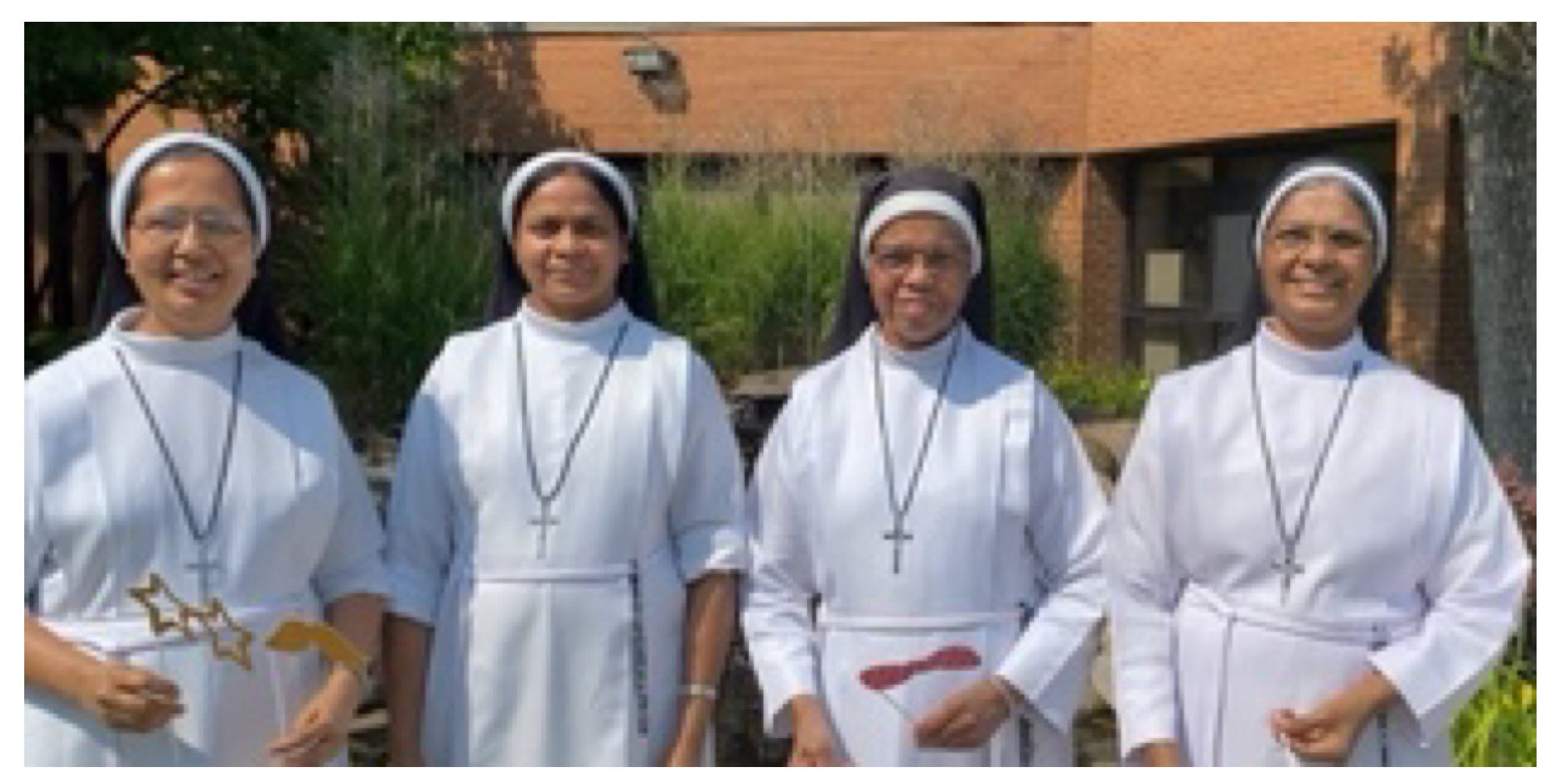
By standing their ground, the sisters are reminding us that the Catholic identity of an institution is its most valuable asset, for without it, the work loses its supernatural purpose. Mother Marie Edward stated that there would be no reason to continue their work if they were forced to abandon their identity as Christians. This sentiment echoes the broader struggle for the soul of our culture where many institutions have already folded under the pressure of secular mandates. The Hawthorne Dominicans serve as a beacon of hope for other Catholic organizations that might feel pressured to compromise their values to stay in the good graces of the government. Their rebellion is a peaceful yet powerful assertion that some truths are non-negotiable regardless of the legislative trends of the moment.
The peace that permeates Rosary Hill Home is a direct result of the sisters’ prayer life and their adherence to the Eucharist, as Sister Stella Mary noted when she described how visitors can feel the difference in the environment. This peace is precisely what is at risk if the state succeeds in forcing the sisters to adopt an ideology that is rooted in confusion rather than the created order. The world desperately needs the witness of these women who care for the dying with a joy that transcends human understanding. New York’s attempt to sanitize this ministry of its religious convictions would only result in a sterile, bureaucratic shell of what was once a vibrant expression of divine love. We must support these sisters in their legal battle because their victory would be a win for every American who believes that the government should refrain from policing the human soul.
As we watch this case unfold, we should remember that the struggle for religious liberty is never just about legal technicalities, as it is ultimately about the freedom to live in accordance with the Truth. The Dominican Sisters of Hawthorne are demonstrating what it means to be in the world but of a different kingdom entirely. They are showing us that true rebellion in the 21st century involves the quiet, persistent practice of ancient virtues in the face of modern errors. Instead of retreating from the public square, they are taking the fight to the courts to ensure that the light of Christ continues to shine in the darkest corners of human suffering. Their courage should inspire all of us to examine where we might be tempted to compromise our own convictions for the sake of social comfort.
In a culture that is increasingly obsessed with identity politics, the sisters offer a different kind of identity that is rooted in being a child of God. They understand that human dignity is found in our biological reality as male and female, as well as our supernatural destiny as heirs to the kingdom. Albany may have the power to write letters and threaten licenses, yet it lacks the power to change the fundamental laws of nature that the sisters have sworn to uphold. The Dominican Sisters of Hawthorne remain New York’s newest rebels because they have the audacity to believe that some things are worth more than a state-issued permit. They are standing for the dying, for the truth, and for the future of religious freedom in a land that was founded on the very principles they are now forced to defend.
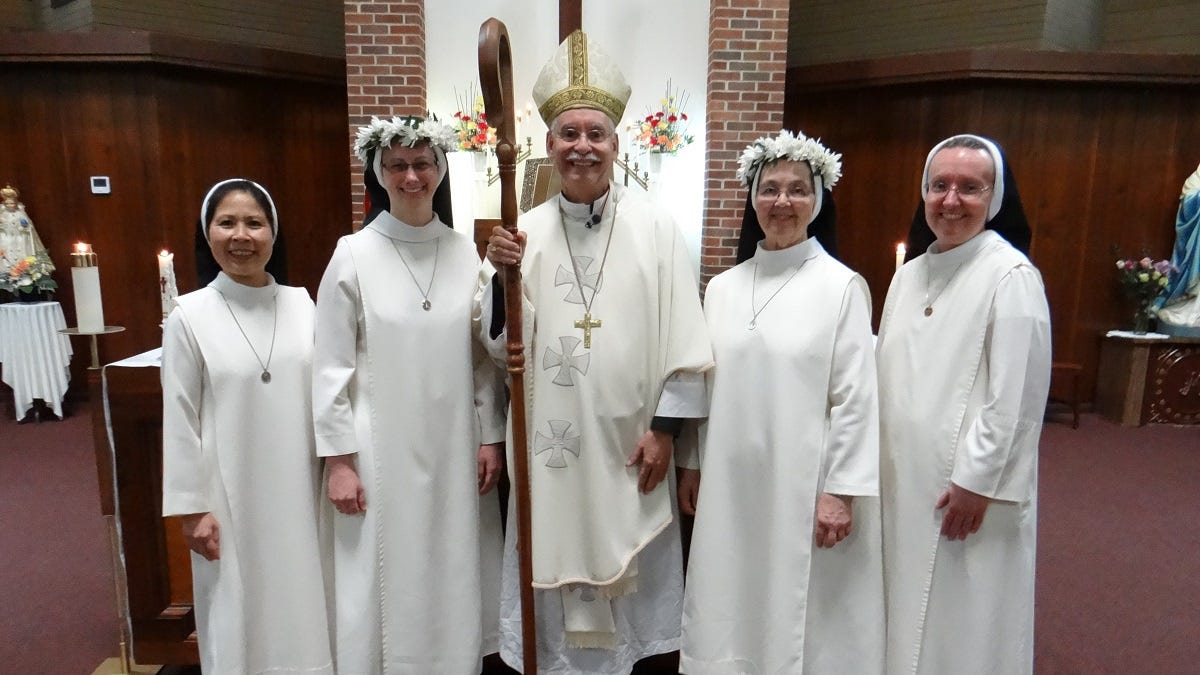
The outcome of this lawsuit will send a clear message about the state of our union and whether there is still room for people of faith to serve their neighbors without state-sponsored interference. If New York succeeds in crushing this 125-year-old ministry, every religious hospital, school, and charity will be next on the list for ideological scrubbing. The sisters are standing in the gap for all of us, and their resolve is a testament to the power of a conscience formed by the Gospel. We should pray for their success and learn from their example of “unarmed peace” that confronts the overreach of the state with the quiet strength of the cross. The sisters have already won the most important battle by refusing to lose their souls in the pursuit of bureaucratic approval.
Beautiful women dedicated to serving the Lord.
To paraphrase that famous New York Daily News Headline . . . "Kathy Hochul and Trans Community to Hospice Patience: Drop Dead"
Here's a real headline from USA today: 'Why Catholic nuns are suing over transgender care and religious freedom"
This has nothing to do with care. That's borderline defamation. The Dominican Sisters care for everyone single of their patients, with love and respect and refuse to violate their safety or lie to them in their final days on this mortal coil. And they do it for free.
This is not about care, this is about the First Amendment.