

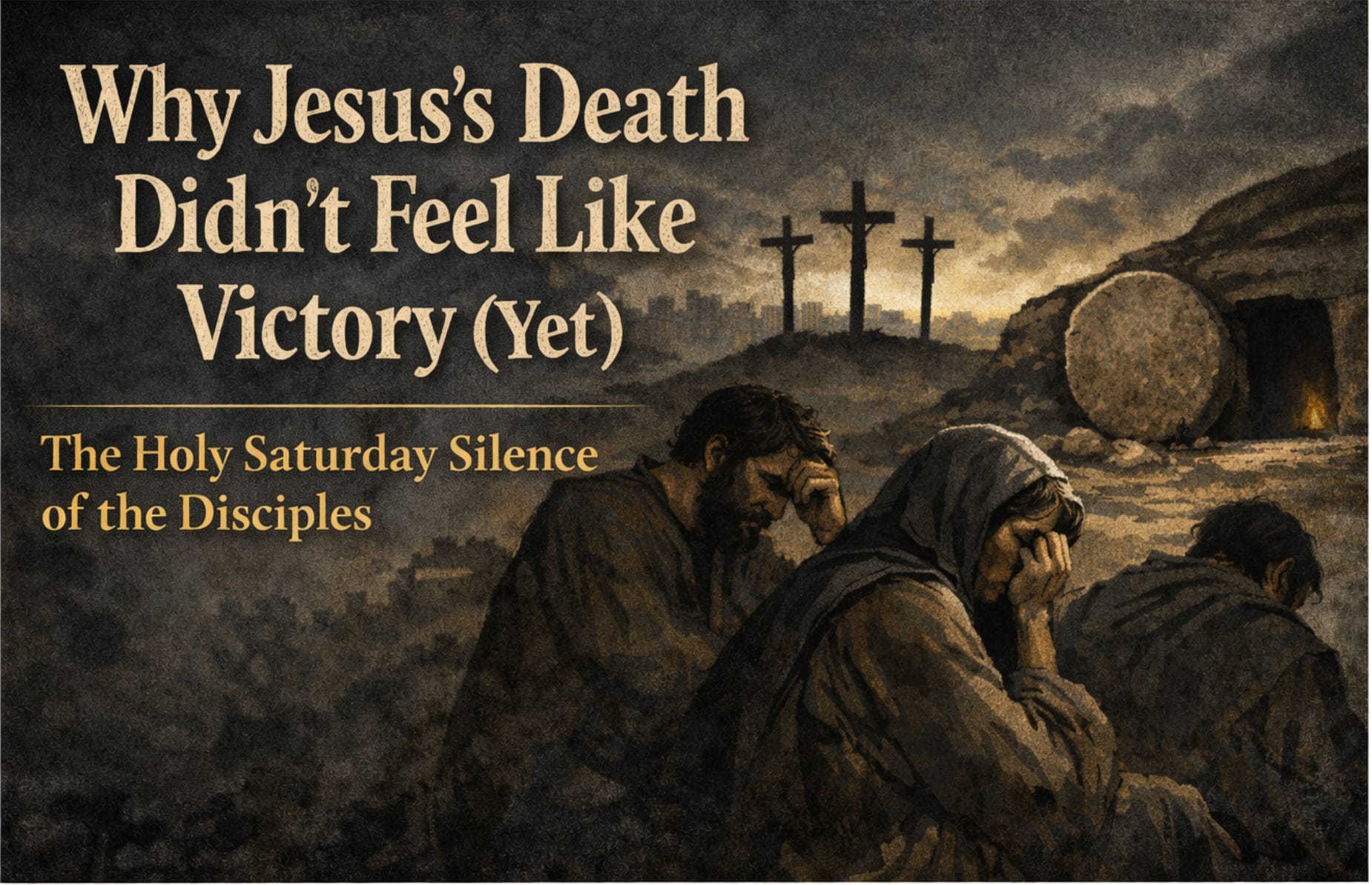
Why Jesus's Death Didn't Feel Like Victory (Yet)
The Holy Saturday Silence of the Disciples

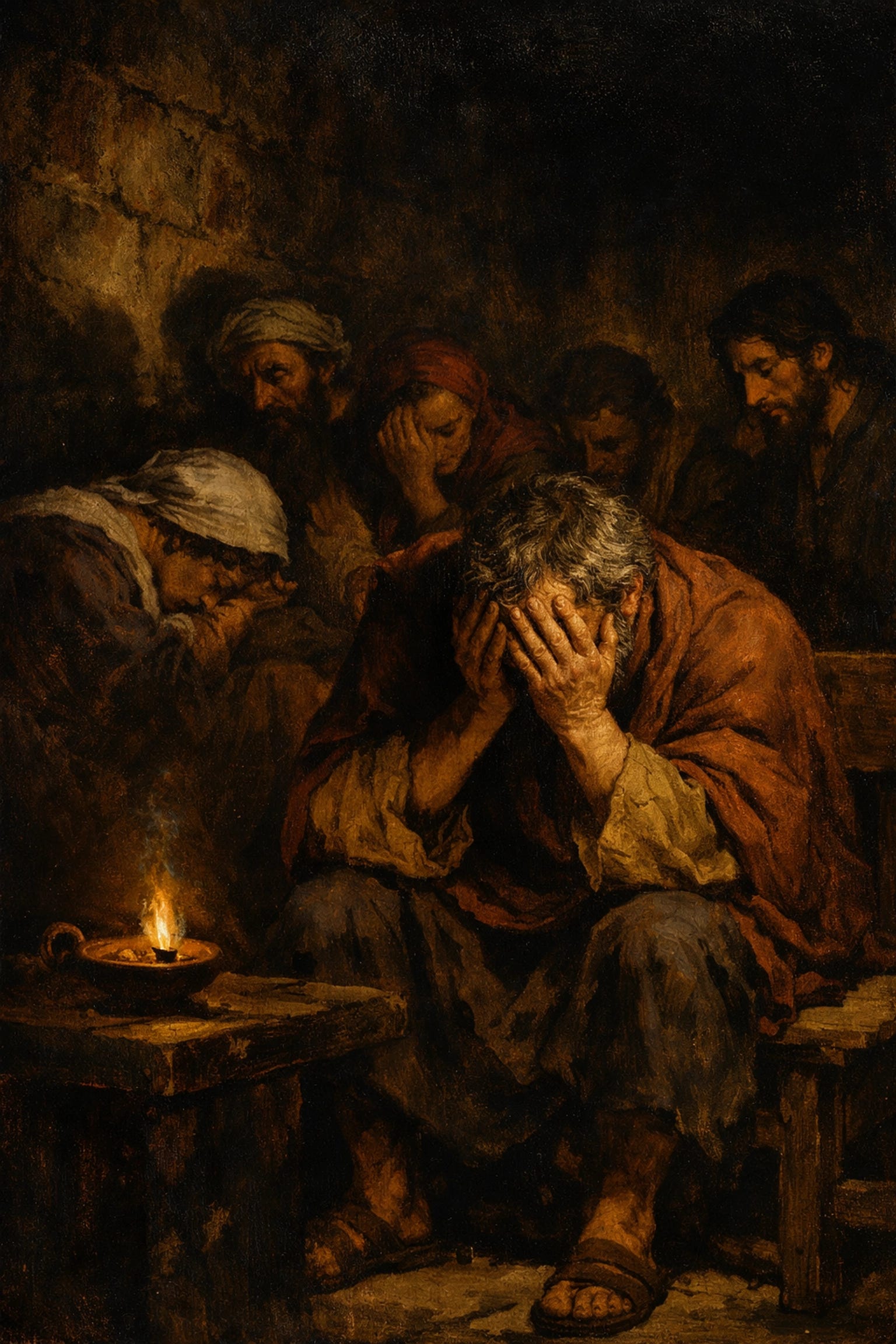
The heavy atmosphere inside the Upper Room on that first Holy Saturday likely felt like the collective breath of the world held in a state of suffocating paralysis. While the echo of the Friday cry “It is finished” still vibrated within the stone walls of the city, the men and women who had followed Jesus for three years found themselves trapped in a psychological tomb long before they ever reached their own graves. For the modern believer, we approach this day with the comfort of a spoiler alert, knowing precisely what happens when the stone rolls away at dawn. Nevertheless, for the Apostles, the silence of God on Saturday was a physical weight that threatened to crush the very foundations of their sanity. They sat in the wreckage of a perceived catastrophe, wondering how the King of Glory could end up as a mangled corpse behind a sealed entrance.
The psychological burden of this specific day stems from the terrifying gap between human expectation and divine execution. We often mistake the phrase “It is finished” for a simple announcement of termination, as if the story has reached a dead end where all hope goes to wither. In reality, the Greek term tetelestai signifies completion and the fulfillment of a debt, suggesting a masterpiece finally receiving its final brushstroke. Rather than seeing the perfection of the sacrifice, the disciples saw only the absence of the Master. Their minds were clouded by the trauma of the Passion, leaving them unable to reconcile the prophetic promises with the cold, hard reality of the Roman seal. This tension creates a profound crisis of identity for anyone who has ever stood at the foot of a closed door, begging for a sign that seems frustratingly absent.
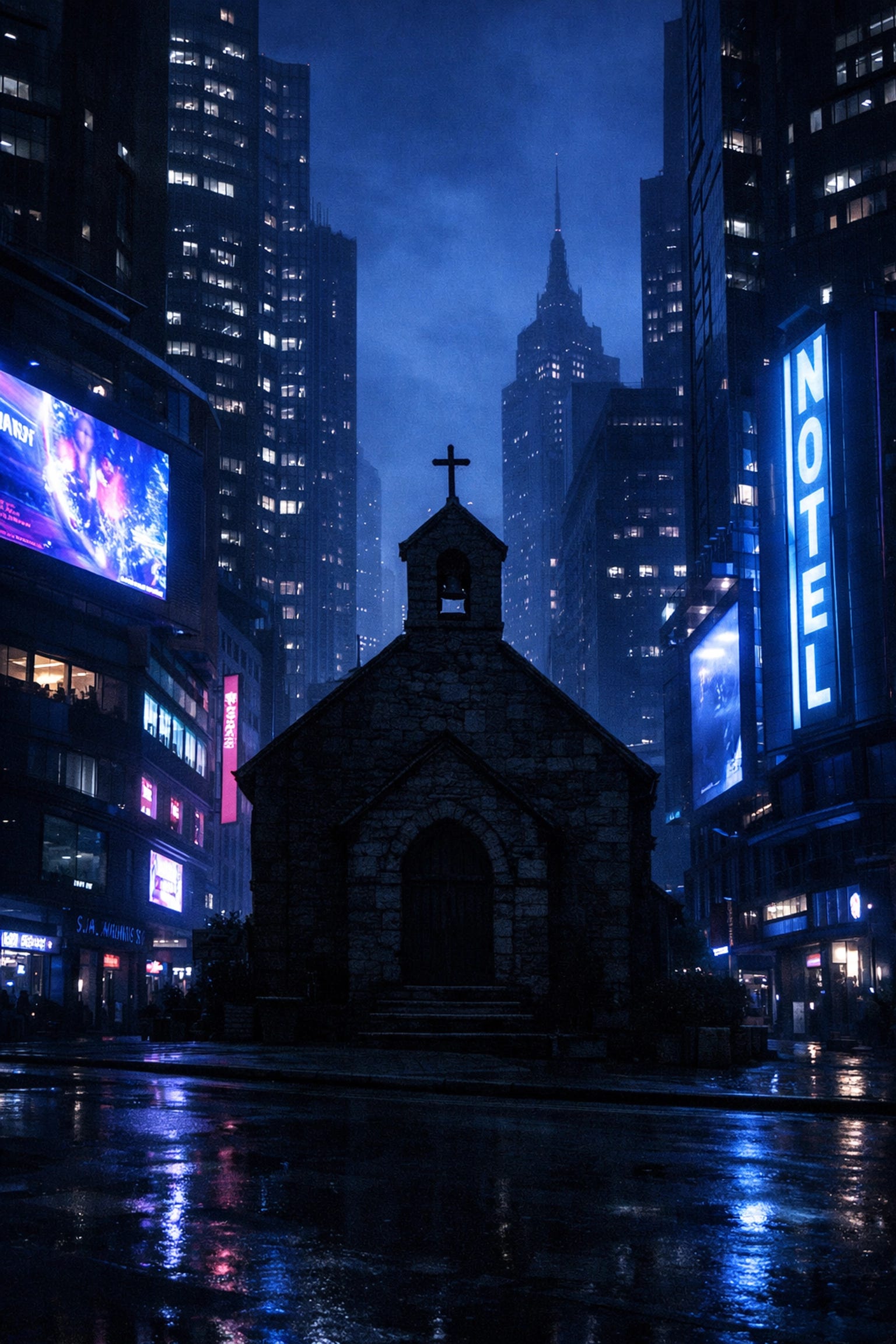
Our current culture mirrors this Saturday silence with a haunting accuracy that should provoke every serious Christian to reflection. We live in a society that behaves as if the Word has gone silent, assuming that the death of traditional values and the eclipse of the sacred signify the final chapter of the faith. This “Saturday” of the West is characterized by a neurotic flight from the Cross, where people prefer the distractions of the digital age over the uncomfortable stillness of the tomb. Many look at the state of the world and conclude that the mission of Christ has failed, choosing instead to put their faith in the danger of political messiahs who promise earthly Utopias that never arrive. They see the Church as a relic of a bygone era, failing to realize that the silence they perceive is actually the focused intensity of a God who is working beneath the surface of history.
Natural law and human reason possess their own inherent limitations when they encounter the absolute stillness of Holy Saturday. Reason can analyze the biological reality of death and the historical facts of the crucifixion, yet it hits a jagged wall when faced with the mystery of a God who chooses to rest. Without the illumination of faith, the silence of the tomb appears as a void rather than a sanctuary. Faith alone allows the believer to perceive the hidden rhythm of the Resurrection, recognizing that the apparent inactivity of the Father is the necessary prelude to the most explosive act of creation since the dawn of time. While reason demands immediate evidence, faith rests in the certainty that reality bats last, and the ultimate reality is the victory of the Lamb.
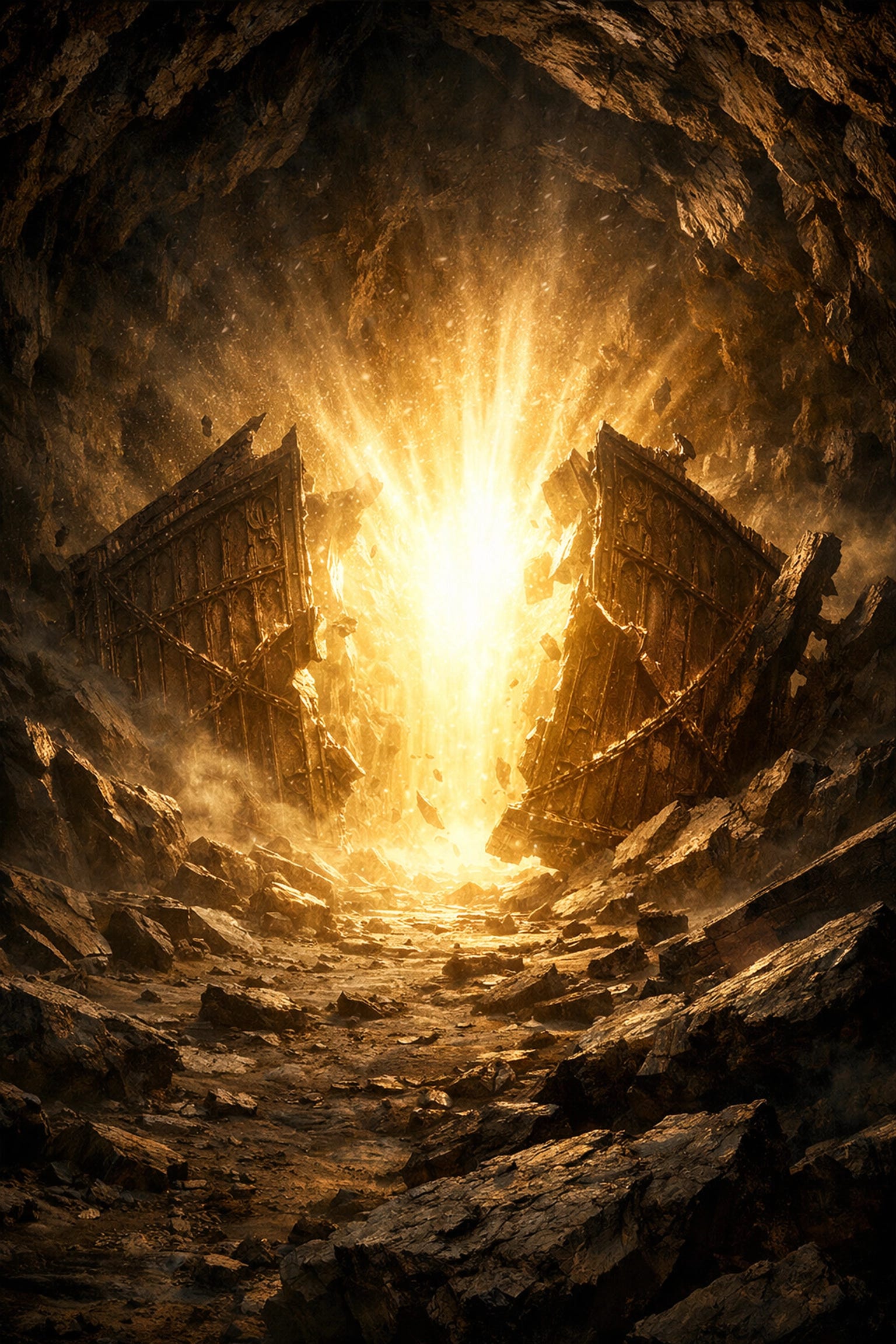
While the disciples were mourning in the shadows of Jerusalem, a cosmic disruption was unfolding in the depths of the earth known as the Harrowing of Hell. From our human perspective, Saturday is a day of waiting; conversely, from the perspective of eternity, it is a day of absolute conquest. Jesus was not idle in the grave; instead, He descended into the realm of the dead to shatter the bronze gates and lead the righteous of old into the light of His presence. This paradox defines the Christian life: while we experience the “Saturday” of our own trials and the silence of our prayers, the Lord is often performing His most transformative work in the hidden places of our souls. The harrowing of our personal hells requires a period of darkness where our reliance on our own strength is systematically dismantled.
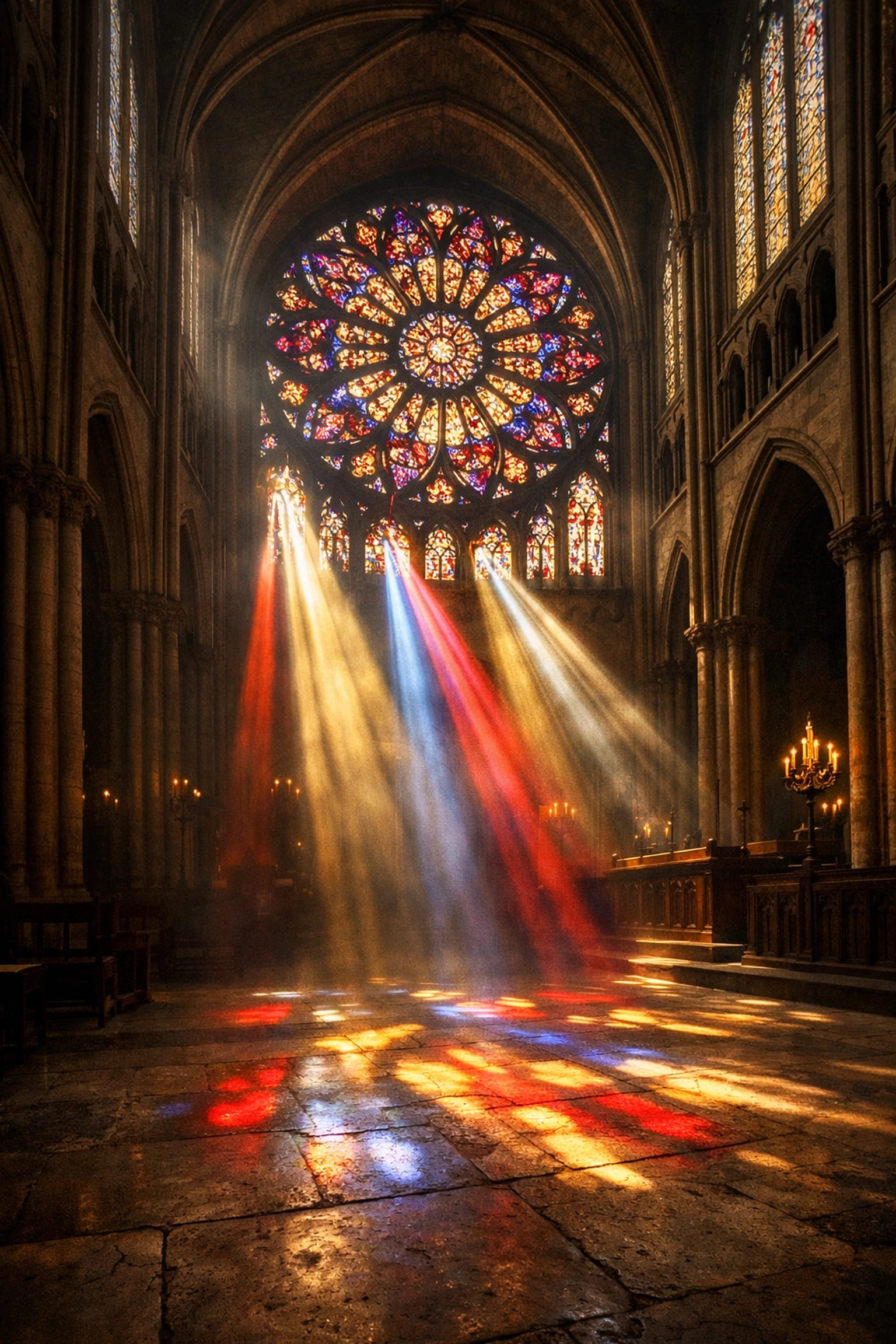
Historical continuity reveals that every generation of saints has had to navigate this specific silence to reach the glory of the light. Figures like the North American martyrs or the hidden contemplatives of the medieval era understood that the “finished” work of the Cross is an ongoing reality that we must participate in daily. They recognized that the Church, seen from the outside, often looks dark and dreary like a stained-glass window in the middle of a storm. Only by entering the interior life of grace do we see the vibrant colors and the infusion of the Holy Spirit that makes the silence bearable. This mystery of light is what we are called to share with a world that is currently drowning in the noise of its own despair, offering them the transformative hope found only in the unity of tradition.
The difference between ‘The End’ and ‘Completion’ is the difference between a tragedy and a liturgy. If the story ended on Friday, we would be the most pitiable of people, trapped in a cycle of suffering without any hope of redemption. Because the work was “completed” rather than merely stopped, the silence of Saturday becomes a pregnant pause, full of the anticipation of the new creation. We must resist the urge to fill this silence with our own frantic efforts to save ourselves or our culture through purely secular means. Instead, we should embrace the stillness, allowing the weight of the day to remind us that we are entirely dependent on the grace of the One who holds the keys to death and Hades.
As we wait for the first light of the Easter Vigil, let us consider the profound lesson of the disciples’ confusion. They lacked the foresight to see the glory, yet their presence in that Upper Room despite their fear shows a lingering, stubborn love that survived even the death of their dreams. We find ourselves in a similar position today, surrounded by a culture that insists the tomb is the final word. Our task is to stay in the room, to stay with the Mother of Sorrows, and to trust that the silence of God is never the same as the absence of God. The victory was won on the wood of the tree, and the Saturday wait is simply the world catching its breath before the shout of “Alleluia” changes everything forever.
Reflecting on the scandal of sanity in an age of confusion, we see that the most rational thing a human being can do is wait upon the Lord. The world calls this foolishness; the believer calls it preparation. The mission of the Cross continues through us, the baptized, who are tasked with carrying the light of the Resurrection into the “Saturdays” of the people we encounter. Whether we are facing global conflicts or personal crises, the reality is that the tomb is merely a passage. The stillness of today is the silence of a King who has already won the battle and is now preparing to claim His throne in the sight of all. We live in the tension of the “already but not yet,” a space where we learn that the most transformative movements of grace often happen when the world is most silent.