
Why Catholic Education is Officially AI-Proof
Technology cannot Replace Human Connection and Flourishing

Efficiency vs. Wisdom
The digital landscape currently overflows with promises of artificial intelligence solving every human dilemma from writing grocery lists to drafting doctoral dissertations. We observe a societal obsession with efficiency where speed often eclipses depth and the production of polished outputs replaces the slow cultivation of the human soul. Catholic education stands as a fortress against this mechanical tide because it refuses to reduce a student to a mere data processor or a producer of clever sentences. While the world chases the latest algorithm, the Church remains anchored in a philosophy that prioritizes the formation of the person over the optimization of the machine.
Repairing the Ruins of the Fall
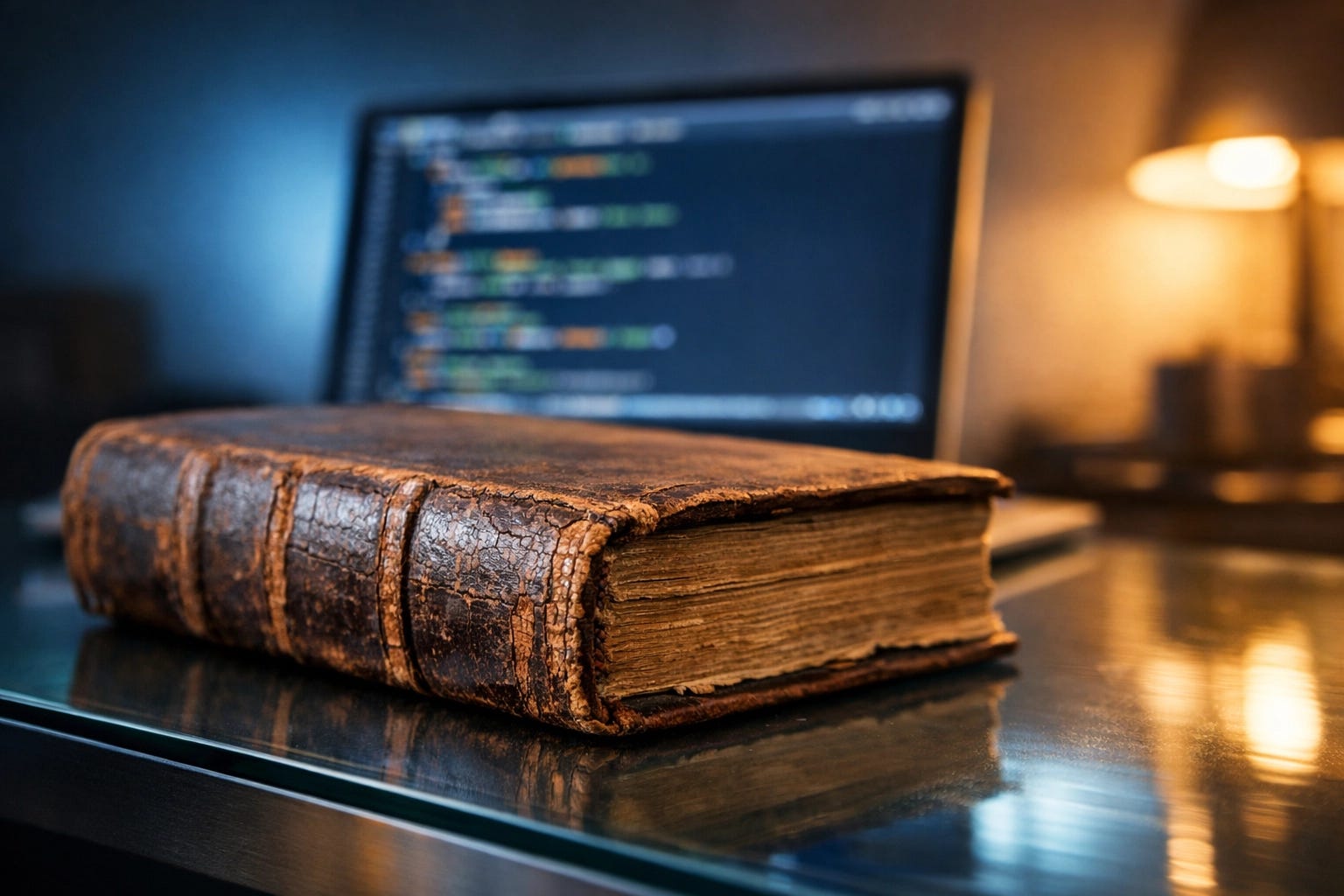
John Milton famously described the purpose of learning as the restoration of the ruins of our first parents. This theological insight suggests that education acts as a divine repair shop for the human person following the catastrophic effects of the Fall. We possess intellects that are darkened and wills that are weakened, yet the pursuit of truth serves as a primary means of recovery. A machine remains incapable of understanding these ruins because it lacks an origin story involving grace and sin. While a large language model can analyze the structural components of a classic text, it fails to experience the spiritual hunger that drives a student toward the Infinite. We must recognize that education is a sacred labor of restoration which remains entirely absent from the circuits of a computer.
The Illusion of Verbal Fluency
Generative technology creates a dangerous illusion by mimicking the prose of the masters without possessing a shred of their conviction. We see students submitting essays that sound authoritative yet these works represent a void of actual understanding. Santiago Schnell correctly identifies this error as the confusion of language with learning. Language serves as the instrument to convey useful things whereas the things themselves require an encounter with reality. AI industrializes the pedagogical mistake of demanding finished performances before the underlying powers of the mind have matured. We observe a culture that values the “polished output” while ignoring the “unpolished person” who is supposed to be doing the thinking.
The Necessity of Friction and Difficulty
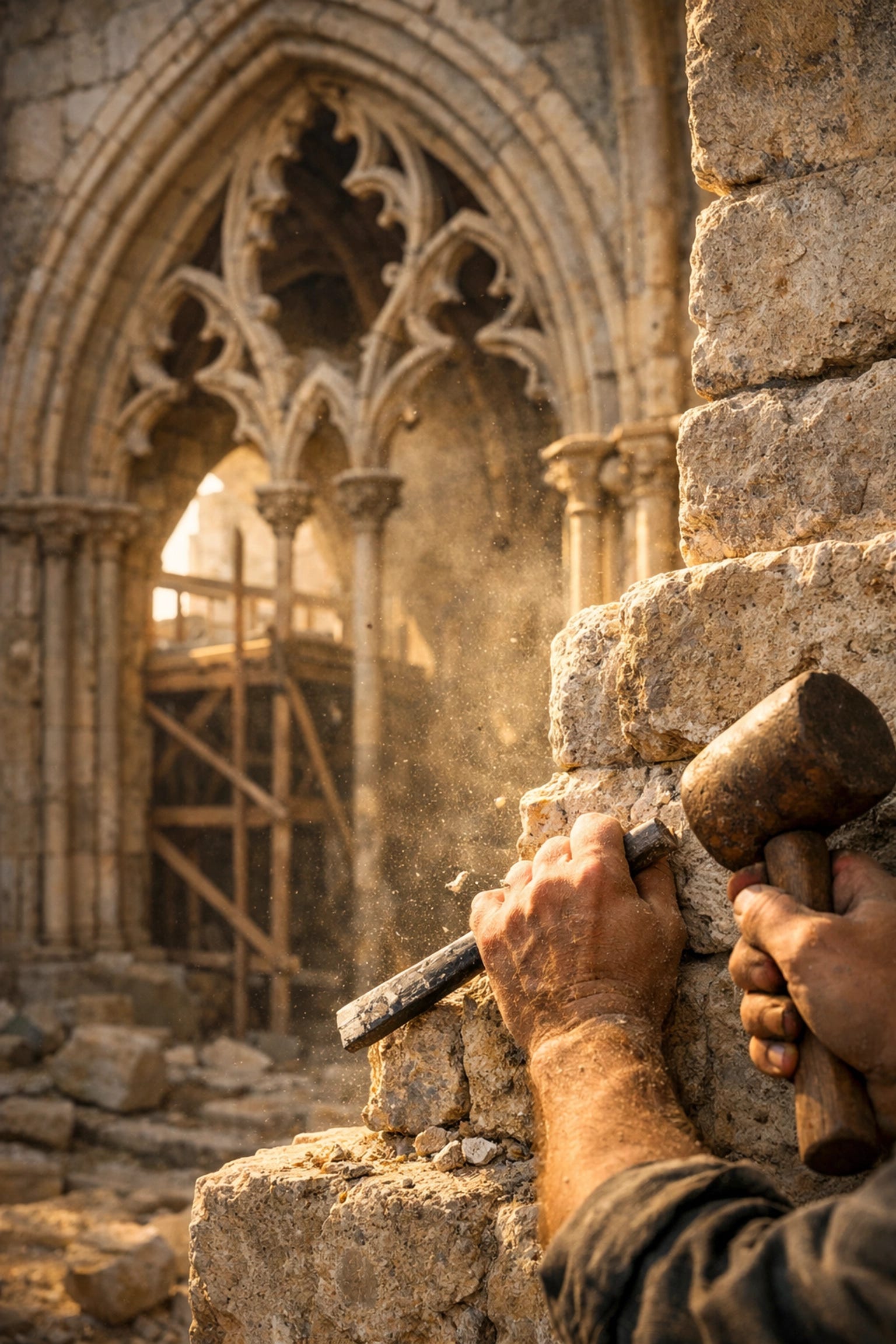
True education requires a level of friction that modern technology seeks to eliminate at every turn. We find wisdom in the struggle with a difficult passage of Scripture or the resistance of a complex mathematical proof. This intellectual struggle forms the character because it demands patience, humility, and persistence. Catholic education embraces this difficulty as a participation in the Cross, recognizing that growth occurs through the very things that cause us to sweat and hesitate. An AI provides an answer instantly while bypassing the transformative process of searching for it. We must protect the classroom as a space of healthy struggle where students learn to stand behind their words with personal responsibility. You can explore more about these foundational truths in our archive where we discuss how tradition outlasts the fleeting trends of the media.
Inhabiting Uncertainty and Truth
A significant limitation of any language model involves its inability to inhabit uncertainty or take responsibility for the truth. These systems reorganize archives with incredible fluency yet they remain indifferent to the reality of the claims they generate. Wisdom requires a person to weigh conflicting evidence and make a judgment that carries moral weight. We teach our students that truth is a person to be encountered rather than a data point to be managed. Education remains a living act of thought that occurs within a community of believers. This is why the seminar, the laboratory, and the quiet conversation over a physical book retain their power even when information becomes cheap and ubiquitous.
The Teacher as an Experienced Guide
The role of the teacher becomes more vital in this digital era despite the claims of tech evangelists who view human instructors as outdated. A real teacher functions as an experienced guide through the wilderness of human inquiry rather than a mere distributor of content. We require mentors who know what the student has yet to see and which questions must be asked next. The best classrooms facilitate a transfer of life from one soul to another which is a miracle that no software can replicate. We must reinvest in the teacher-scholar whose presence provides a witness to the beauty of the intellectual life. You can learn more about our commitment to this transformative style of leadership and how we engage the culture with boldness.
Apostles of the Digital Continent
As we navigate this new frontier, we must act as apostles of the digital continent without surrendering our humanity to the tools we use. We should employ technology with discipline while remaining vigilant against the substitution of authentic learning with automated performance. This requires a pedagogical redesign that emphasizes oral defenses, in-class writing, and live disputations where the student’s own voice must be heard. We should demand transparency when AI is used so that the habit of intellectual ownership remains intact. The goal of our schools is the formation of honest minds capable of real questions and careful judgment.

A Clarification for the Church
The rise of artificial intelligence acts less like a crisis and more like a clarification of our original mission. It exposes the emptiness of educational models that reward performance over depth and polish over genuine engagement. Catholic education has always known that its end is to help the student know God, love Him, and become like Him. No machine will ever repair the ruins of our nature or offer a sacrifice of praise to the Creator. That restoration remains a human labor aided by grace. We must embrace the friction of our mortality and the beauty of our limitations because they are the very things that make our education worth having. While the world seeks the path of least resistance, we shall continue to walk the narrow road of wisdom where the truth sets us free.