
What Happened through Easter Sunday
Jesus Went to Work Immediately

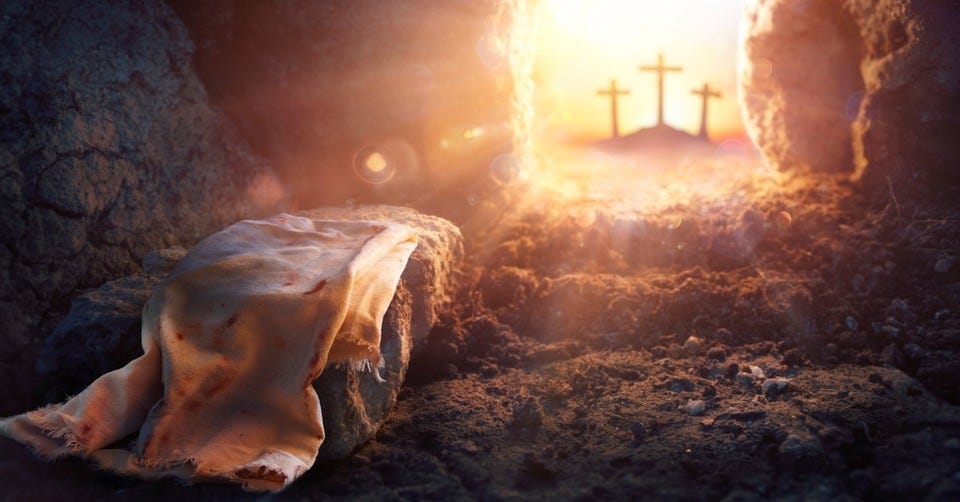
While the glorious sunrise of Easter morning captures the primary focus of our celebrations, a subtle and profound shift occurs as the shadows lengthen across Jerusalem on that first Sunday evening. Most modern believers treat the hours following the festive brunch as a time for a well-deserved nap, yet the biblical narrative suggests that the transition from afternoon to evening was actually the moment the Church truly began to breathe. We often spend our energy contemplating the shock of the empty tomb and the frantic running of the apostles, although the actual structural foundation of our faith took shape behind closed doors and along dusty roads as the sun began to set. This period marks the incredible space where the initial confusion of the morning transformed into the mission of the ages, providing a theological pivot that turns a historical event into a lived, sacramental reality.
The Emmaus Blueprint for Every Sunday
When we look at the two disciples walking toward Emmaus, we witness the original template for every Catholic Mass celebrated across the globe for the last two millennia. These men were confused and dejected, failing to grasp the significance of the empty tomb until a mysterious stranger joined their journey to explain how the entire history of Israel pointed toward the suffering and glory of the Messiah. This encounter establishes the Liturgy of the Word, where Jesus Himself interprets the Law and the Prophets to ignite a fire within their hearts that had grown cold from grief. Jesus is the only answer to our global hunger for truth, and He demonstrates this by showing how the ancient Scriptures find their ultimate fulfillment in His own person.
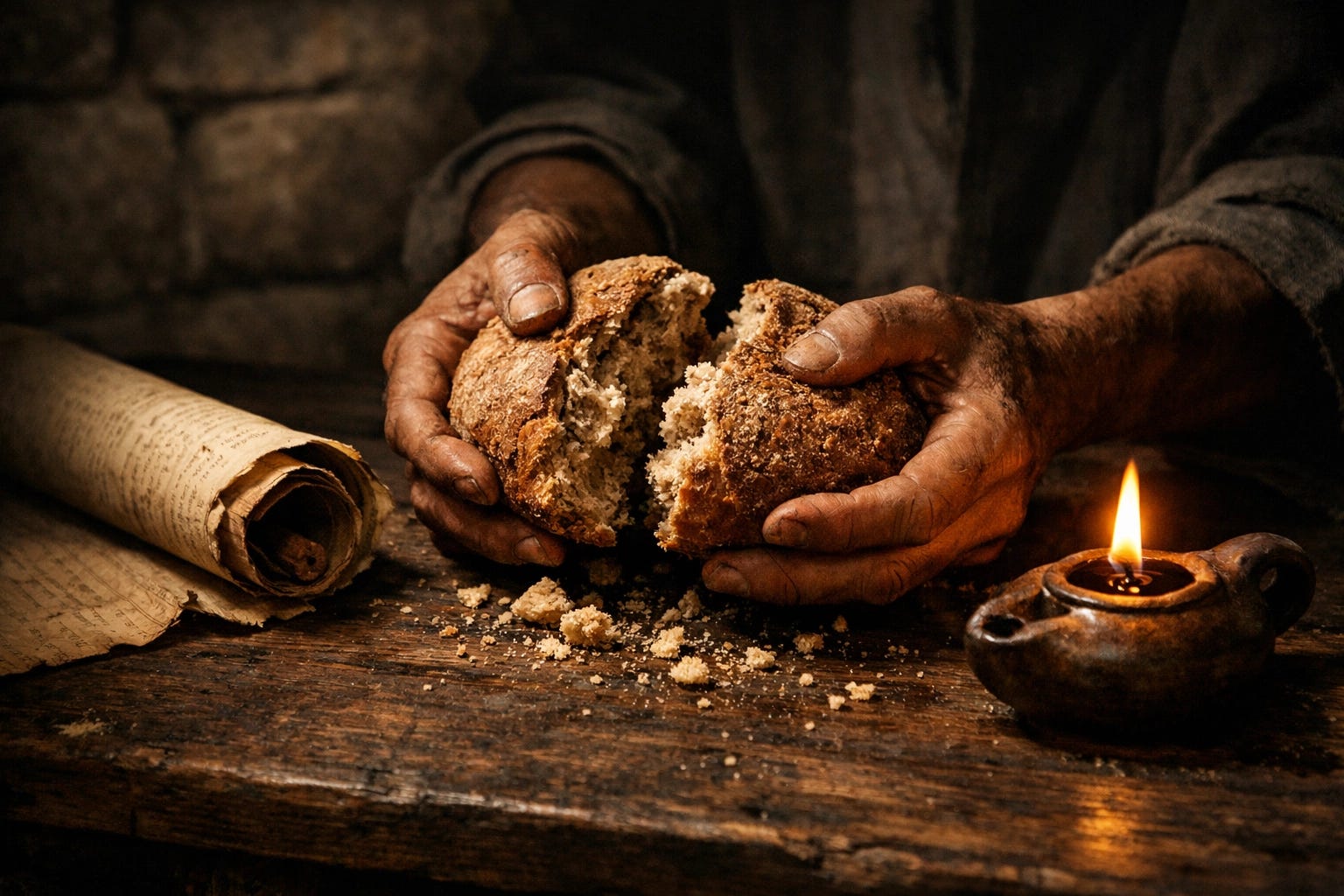
The climax of this journey occurs at the Eucharistic table, where the act of breaking the bread reveals the hidden identity of the Risen Lord to His followers. This sequence of explaining the Word followed by the breaking of the Bread as a Eucharistic sacrifice remains the unchanging structure of our worship, proving that the Resurrection is far more than a past event to be remembered. It functions as a present reality that we encounter every time we gather around the altar, as the same Jesus who walked to Emmaus continues to feed His people with His very self. By establishing this pattern on Sunday evening, Christ ensured that His Church would always have a reliable way to recognize His presence, even when He is no longer visible to our physical eyes.
Escaping the ‘Had Hoped’ Trap
There is a profound spiritual danger hidden in the words of the Emmaus disciples when they lamented that they “had hoped” Jesus was the one to redeem Israel. This past-tense faith represents a trap where we treat the Resurrection as a lovely historical memory rather than a current, world-changing fact. Many people today live in a state of perpetual “had hoped,” looking back at the teachings of Christ with nostalgia while remaining paralyzed by the complexities of the modern world. Understanding why Jesus’s death felt the way it did to those early followers helps us realize that they were mourning a political savior, yet the evening of Easter Sunday offered them something infinitely greater.

We frequently find ourselves walking away from the “Jerusalem” of our faith because the results of our prayers failed to meet our narrow expectations or our preferred timelines. The transition of Sunday evening challenges us to move from the “had hoped” of a dead prophet to the “is risen” of the Living God, which requires a radical shift in our perspective. Because the resurrection is an historical fact, our hope should never be relegated to the past tense, as the King who was raised on the third day is currently reigning over every aspect of human history. Rejecting the “had hoped” trap allows us to embrace the transformative power of the Resurrection as the primary lens through which we view our suffering, our politics, and our ultimate destiny.
The Breath of New Life
As the scene shifts from the road to the Upper Room, we witness a point of cosmic re-creation that echoes the very beginning of the Book of Genesis. When the Risen Jesus appeared to the frightened apostles and breathed on them, He was deliberately mirroring the action of God breathing life into the nostrils of Adam in the Garden of Eden. This was far from a simple greeting or a friendly visit; it was the definitive act of creating a new humanity that is no longer subject to the dominion of death and sin. The original breath of life had been tainted by the fall, however, this New Breath restores the divine image within us and equips the Church to function as the mystical body of Christ on earth.
This evening visitation serves as the actual birthday of the Church’s interior life, where the Holy Spirit is bestowed upon the apostles to empower their future mission to the nations. While Pentecost marks the public manifestation of the Church to the world, the Sunday evening appearance in the Upper Room is the quiet, foundational beginning of that spiritual authority. Jesus transforms a group of terrified men into the stewards of a new creation, proving that His victory over the grave is meant to be shared with all who believe in His name. Every time we receive the sacraments, we are experiencing a continuation of that divine breath, as the life of the Risen Lord flows into our souls to make us truly alive for the first time.
Forgiveness as the First Work of the King
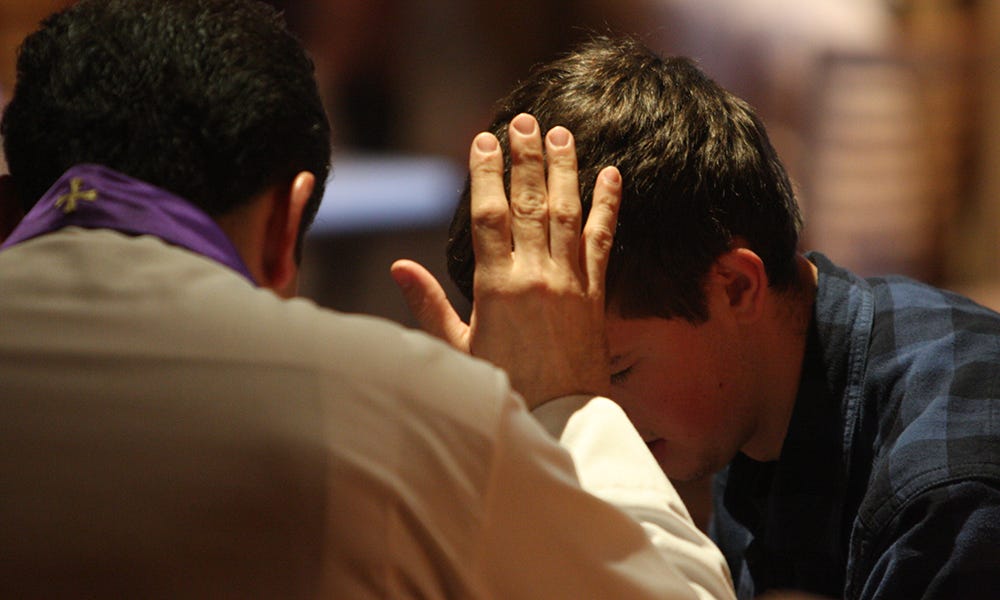
Perhaps the most startling aspect of the Easter Sunday evening appearance is the specific authority Jesus chooses to delegate to His followers immediately after His triumph. One might expect a victorious King to issue a decree of judgment or a call to arms, yet Christ focuses entirely on the institution of the Sacrament of Penance by giving the apostles the power to forgive or retain sins. This mandate establishes mercy as the primary policy of the Risen King, ensuring that the fruits of His sacrificial death are accessible to every repentant heart throughout history. Confession is the ultimate Easter gift, as it allows the individual believer to step into the light of the Resurrection and have the chains of their past shattered by the word of a priest.
By linking the Resurrection so closely to the forgiveness of sins, Jesus shows that the purpose of His rising was the total reconciliation of humanity with the Father. The Church exists primarily to be a vessel of this divine mercy, carrying the peace of Christ into the darkest corners of human experience where shame and guilt reside. We must view the confessional as a place of Easter joy rather than a place of dread, for it is there that the “Peace be with you” of the Upper Room is spoken directly to us in our brokenness. The authority to forgive is the tangible proof that the Resurrection has changed the rules of reality, allowing grace to have the final word over the failures of our lives.
Carrying the Evening Fire into Monday
The transition from the high of Easter Sunday to the routine of Monday morning is often a jarring experience that threatens to extinguish the spiritual fire we felt during the liturgy. Nevertheless, the events of that first Sunday evening provide us with the tools to maintain our witness in a culture that is often hostile to the claims of the Gospel. We are called to be people of the “Evening Walk,” individuals who recognize the Lord in the breaking of the bread and who carry the breath of new life into their workplaces and homes. Our task is to ensure that the joy of the Resurrection does not evaporate once the lilies begin to wilt, but instead becomes the permanent foundation of our character and our choices.
As we move beyond the Easter nap and return to our daily responsibilities, we must remember that we belong to a Kingdom that has already won the definitive victory over every shadow of darkness. The Church was born in the transition between the empty tomb and the Upper Room, and we are the heirs to that miraculous evening when the world was made new. Let us live with the conviction that the Risen Lord is walking beside us, speaking to us through the Scriptures, and feeding us with His very life, so that every day becomes a continuation of that first, glorious Sunday evening. The peace He gave to the apostles is now ours to share, and the mercy He instituted is ours to receive, making us the living witnesses of a truth that can never be silenced by the passing of time.