

Pope Leo XIV’s ‘Rerum Novarum’ for the AI Age
Magnifica Humanitas: Reclaiming the Soul in the Age of the Algorithm

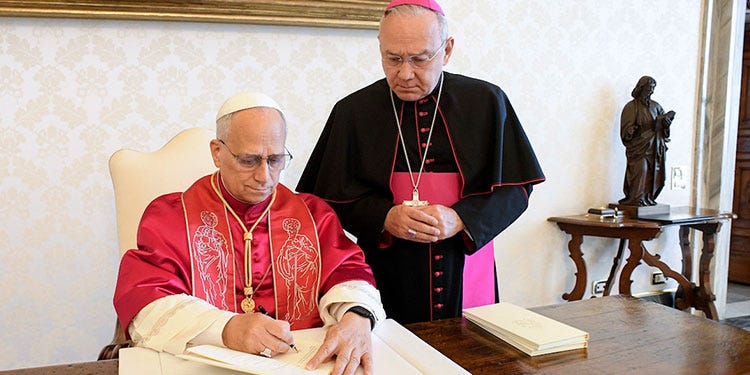
The incredibly profound and remarkably timely announcement from the ancient and venerable Holy See regarding the upcoming release of the first encyclical of Pope Leo XIV signifies a truly historic turning point for the entire human race. This highly anticipated document is titled Magnifica Humanitas which translates into the beautiful and evocative phrase Magnificent Humanity. The supreme pontiff signed this very important letter on the fifteenth of May because that specific date marks the exact one hundred and 35th anniversary of the publication of the monumental social encyclical known as Rerum Novarum. His Holiness chose the papal name of Leo XIV with a very deliberate and specifically strategic intent to honor the legacy of his predecessor Pope Leo XIII who famously addressed the massive social upheavals of the first Industrial Revolution. The current global landscape is experiencing a similarly radical and extremely disruptive technological shift that many experts describe as the second Industrial Revolution. This modern revolution is driven by the rapid and pervasive development of various forms of artificial intelligence that threaten to redefine the fundamental nature of human existence. The Church offers the timeless treasury of her social teaching as a necessary and vital response to these contemporary challenges that deeply affect the protection of human dignity and the preservation of justice. You can find more about the mission of this ministry on the about page where the focus remains on the proclamation of truth across all facets of human life.
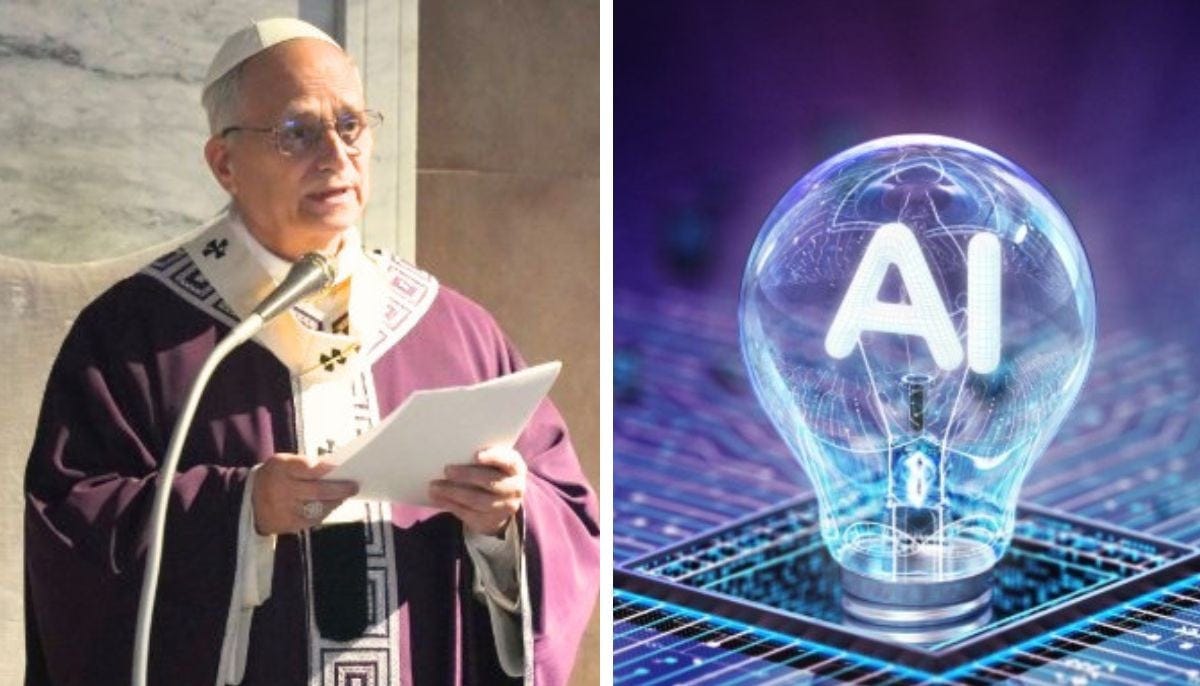
The historical connection between the year 1891 and the present year of 2026 is truly fascinating and deeply significant for anyone who tracks the intersection of faith and culture. Pope Leo XIII observed the harsh and often brutal conditions of the working class during the rise of steam engines and massive factories that treated individual persons like mere cogs in a giant mechanical engine. He issued a powerful and transformative defense of the rights of workers because he recognized that the dignity of the human person must always take precedence over the demands of capital and the cold efficiency of industrial production. Today the world observes a different kind of engine that is built from complex algorithms and vast amounts of digital data that process information with a speed that surpasses human comprehension. Pope Leo XIV acknowledges that this digital revolution poses a unique and arguably more dangerous threat to the human spirit than the physical machines of the past century. He rejects the notion that technological progress is an inherent good that requires no moral oversight or ethical boundaries. The upcoming encyclical will address the moral guidance that is absolutely essential for navigating the digital landscape that currently surrounds every aspect of our daily lives. This is part of the broader effort to understand why a post-Christian West is returning to its roots in search of ultimate meaning.

The title Magnifica Humanitas serves as a bold and uncompromising statement that every single human person is a magnificent creation of the Almighty and remains far more than a simple biological data point. The modern culture often attempts to reduce the complexity of the human soul to a series of predictable behaviors that can be analyzed and manipulated by sophisticated software programs. These programs are designed to optimize efficiency and maximize profit while they simultaneously ignore the spiritual and transcendental nature of the human person. The Pope insists that the human voice and the human face are irreplaceable elements of our shared existence that must be preserved at all costs. He argues that the digital world fails to capture the true essence of what it means to live in the image and likeness of God. The encyclical will likely provide a robust and intellectually rigorous framework for protecting the sanctity of human labor in an era where automated systems seek to replace the active participation of men and women in the workforce. This message is especially relevant for those who consider themselves apostles of the digital continent and strive to bring the light of the Gospel to the internet.
The Vatican has organized an exceptionally diverse and highly distinguished panel of speakers for the official presentation of the encyclical in the Synod Hall on the twenty fifth of May. This panel includes high-ranking clergy like Cardinal Víctor Manuel Fernández and Cardinal Michael Czerny who represent the doctrinal and developmental branches of the Church. However the inclusion of Christopher Olah who is a prominent co-founder of the technology company Anthropic USA is a particularly striking and innovative choice. This decision demonstrates that the Church is actively and directly engaging with the actual creators and the leading thinkers of the cutting edge of modern technology. The presence of a secular tech leader alongside Catholic theologians suggests that the message of the Pope is intended for a broad and universal audience that includes the architects of the digital future. The Church refuses to remain silent while the foundations of human society are reshaped by the influence of artificial intelligence and machine learning. She instead chooses to speak with a clear and authoritative voice that reminds the world of the primacy of the human person over the machine. The concluding remarks by Secretary of State Cardinal Pietro Parolin will surely emphasize the global and diplomatic implications of this significant papal teaching.
The core message of Magnifica Humanitas will undoubtedly center on the urgent and imperative need to reclaim the human person from the cold and impersonal grasp of the algorithm. The Pope warns against a culture that treats people like mere numbers or statistical probabilities that can be discarded when they are no longer useful to the system. He highlights the grave danger of a society that prioritizes the speed of information over the depth of wisdom and the pursuit of truth. The encyclical will likely call for a new and transformative approach to technology that serves the common good and respects the inherent rights of every individual. This approach requires a radical and courageous shift in how we perceive the role of artificial intelligence in our schools and our workplaces and our homes. The Church remains the steadfast and unwavering guardian of the truth about the human person in a world that is increasingly confused by the illusions of the digital age. The upcoming release of this document is a call to action for all people of good will to stand up for the magnificence of their own humanity. We must embrace the reality that we are created for communion and for love and for a destiny that far exceeds the capabilities of any artificial system. The Pope invites us to rediscover the beauty of our own souls as we face the challenges of this new and daunting industrial era.