
Toxic Statesmanship & The Christian Response
Why Christians Must Call All Leaders to Moral Accountability

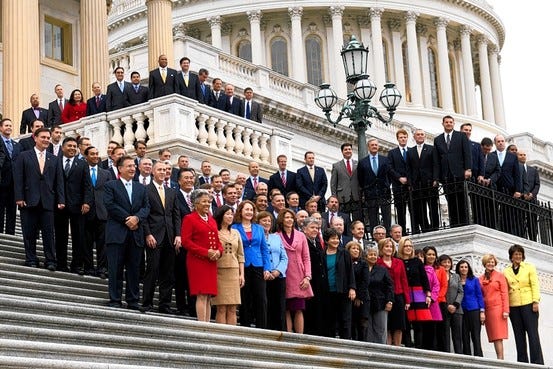
The cultural machinery of outrage operates with algorithmic precision these days, feeding us carefully curated doses of moral indignation at precisely timed intervals. Each fresh scandal arrives with its accompanying soundtrack of rehearsed talking points, predictable responses, and the familiar theater of public virtue signaling. Yet beneath this surface-level drama lies a more insidious problem that Christians and social conservatives must recognize before it consumes what remains of authentic moral discourse in American public life.
What we witness in our contemporary political landscape represents a particular manifestation of toxic statesmanship, where comely responses substitute for moral reasoning and manufactured outrage replaces genuine accountability. This phenomenon extends far beyond any single political figure or party, revealing instead a systemic corruption of how our society approaches questions of virtue, leadership, and moral authority.
Understanding Toxic Statesmanship in Public Discourse
Toxic statesmanship occurs when emotional reactions override rational moral judgment, creating environments where genuine accountability becomes impossible. In the political sphere, this manifests as algorithmic outrage cycles that prioritize emotional intensity over substantive moral evaluation. Social media platforms amplify the most provocative responses while drowning out measured analysis, creating a feedback loop where public figures learn to perform virtue rather than practice it.

The current focus on President Trump’s admittedly unpresidential behavior exemplifies this dynamic perfectly. Critics mobilize familiar scripts of moral horror while supporters retreat into defensive postures, creating a predictable dance that obscures deeper questions about virtue in leadership. This choreographed outrage serves everyone’s interests except those seeking authentic moral progress in American political life.
Consider how this toxic statesmanship operates in practice. When political leaders violate basic norms of decency, the response follows a predetermined pattern. Media outlets generate content designed to trigger emotional responses rather than foster genuine moral reflection. Social media algorithms amplify the most extreme reactions while suppressing nuanced perspectives. Citizens retreat into ideological tribes where moral evaluation becomes secondary to tribal loyalty.
The Deeper Historical Reality
The fixation on presidential demeanor reveals something troubling about American moral priorities. While citizens obsess over questions of style and protocol, they routinely ignore substantive moral evils perpetrated by leaders who maintained appropriate public personas. This represents a fundamental confusion about the relationship between virtue and appearance that Christians must address directly.
Recent decades have witnessed presidents who projected dignity and competence while advancing policies that directly contradicted fundamental moral principles. These leaders spoke with measured tones while expanding access to abortion, promoting euthanasia and assisted suicide, and systematically undermining the natural foundations of marriage and family life. Their presidential bearing provided cover for moral positions that previous generations would have recognized as gravely disordered.
The celebration of marriage redefinition offers a particularly stark example of this dynamic. Leaders who maintained impeccable public decorum simultaneously worked to dismantle one of civilization’s most fundamental institutions. Their smooth rhetoric and careful messaging masked policies that severed marriage from its natural purposes, introducing confusion about human sexuality that continues to wreak havoc in American society.
Similarly, the normalization of transgender ideology occurred under the watch of leaders who projected moral authority while promoting ideas that contradict basic truths about human nature. The damage caused by these policies extends far beyond questions of political preference, touching the most intimate aspects of human identity and family relationships.
Beyond Individual Leadership Failures
The temptation to frame these issues around individual political figures represents a fundamental misdiagnosis of the problem. Whether discussing President Trump’s communication style or previous administrations’ policy positions, the focus on personalities obscures systemic patterns that transcend partisan boundaries.
American political culture has developed a sophisticated capacity for separating style from substance, allowing leaders to maintain public respectability while advancing deeply problematic agendas. This phenomenon predates Trump’s political career and will likely persist long after his departure from public life. The real crisis involves the electorate’s apparent willingness to trade substantive virtue for superficial respectability.

Christians who recognize this pattern face a particular responsibility to resist the pull of toxic statesmanship in political evaluation. Rather than allowing emotional reactions to determine moral judgment, believers must insist on consistent standards that prioritize authentic virtue over performative respectability. This requires developing immunity to manufactured outrage while maintaining genuine concern for moral integrity in leadership.
The challenge extends beyond electoral politics to encompass broader cultural institutions where similar dynamics operate. Academic institutions, corporate leadership, and religious organizations all demonstrate versions of this same pattern, where surface-level conformity to acceptable discourse masks deeper compromises with moral truth.
The Christian Response: Moral Accountability Through Evangelization
Faced with this cultural moment, Christians and social conservatives must resist both extremes of toxic statesmanship. The first extreme involves joining the algorithmic outrage machine, allowing emotional manipulation to substitute for serious moral analysis. The second extreme involves abandoning moral standards altogether in service of political pragmatism.
Authentic Christian engagement requires a different approach entirely. Rather than participating in scripted political theater, believers must insist on consistent moral accountability that transcends partisan boundaries. This means condemning actual moral evils regardless of their political packaging while refusing to be manipulated by manufactured controversies designed to distract from substantive issues.
The path forward involves what can properly be called social evangelization, where Christians engage public questions from a position of moral clarity rooted in natural law principles. This approach recognizes that political problems ultimately stem from spiritual and moral disorders that require spiritual and moral solutions.

Social evangelization begins with speaking truthfully about moral questions even when such truth-telling disrupts comfortable political narratives. Christians must be willing to challenge leaders from both major parties when they advance policies that contradict fundamental moral principles, while simultaneously refusing to participate in the performance of outrage that characterizes contemporary political discourse.
This responsibility extends to holding fellow Christians accountable when they allow political loyalties to compromise moral judgment. The tendency to excuse moral failures among political allies while amplifying the failures of opponents represents a particular temptation that believers must actively resist.
Creating Space for Authentic Moral Discourse
The cultural machinery of toxic statesmanship thrives in environments where emotional intensity substitutes for reasoned moral reflection. Christians can counter this dynamic by creating alternative spaces where genuine moral questions receive serious consideration apart from political theater.
Such spaces require careful cultivation of intellectual virtues that our culture actively discourages. Patience, nuance, and willingness to acknowledge complexity all become radical acts in a context where algorithmic systems reward simplistic emotional responses. Creating and maintaining these spaces represents a form of cultural resistance that serves broader evangelistic purposes.
The goal involves fostering conversations where moral questions can be addressed on their own terms rather than as instruments of political combat. This requires developing competence in natural law reasoning that allows Christians to address public questions from a position of philosophical confidence rather than defensive reaction.
Ultimately, the crisis of toxic statesmanship in American political life presents Christians with both challenge and opportunity. The challenge involves resisting cultural pressures that would reduce moral evaluation to tribal loyalty or emotional manipulation. The opportunity involves demonstrating a better way forward that prioritizes authentic virtue over political expedience.
This moment demands Christians who can speak truthfully about moral questions while refusing to participate in the toxic cycles of outrage that characterize contemporary political discourse. Such engagement requires both courage and wisdom, calling believers to maintain moral clarity while extending genuine charity to all persons regardless of their political positions.
The stakes extend far beyond questions of electoral politics to encompass the possibility of authentic moral discourse in American public life. Christians who rise to this challenge serve purposes that transcend immediate political concerns, working to restore cultural conditions where genuine moral reflection becomes possible once again.