

Reclaiming America’s Catholic Roots
Moving Beyond the Mayflower

![[HERO] Beyond the Mayflower: Reclaiming America’s Catholic Roots](https://substackcdn.com/image/fetch/$s_!KCCh!,f_auto,q_auto:good,fl_progressive:steep/https%3A%2F%2Fsubstack-post-media.s3.amazonaws.com%2Fpublic%2Fimages%2F5f17ed68-05d4-4579-80bc-03c6267bbfba_1672x941.webp "[HERO] Beyond the Mayflower: Reclaiming America’s Catholic Roots")
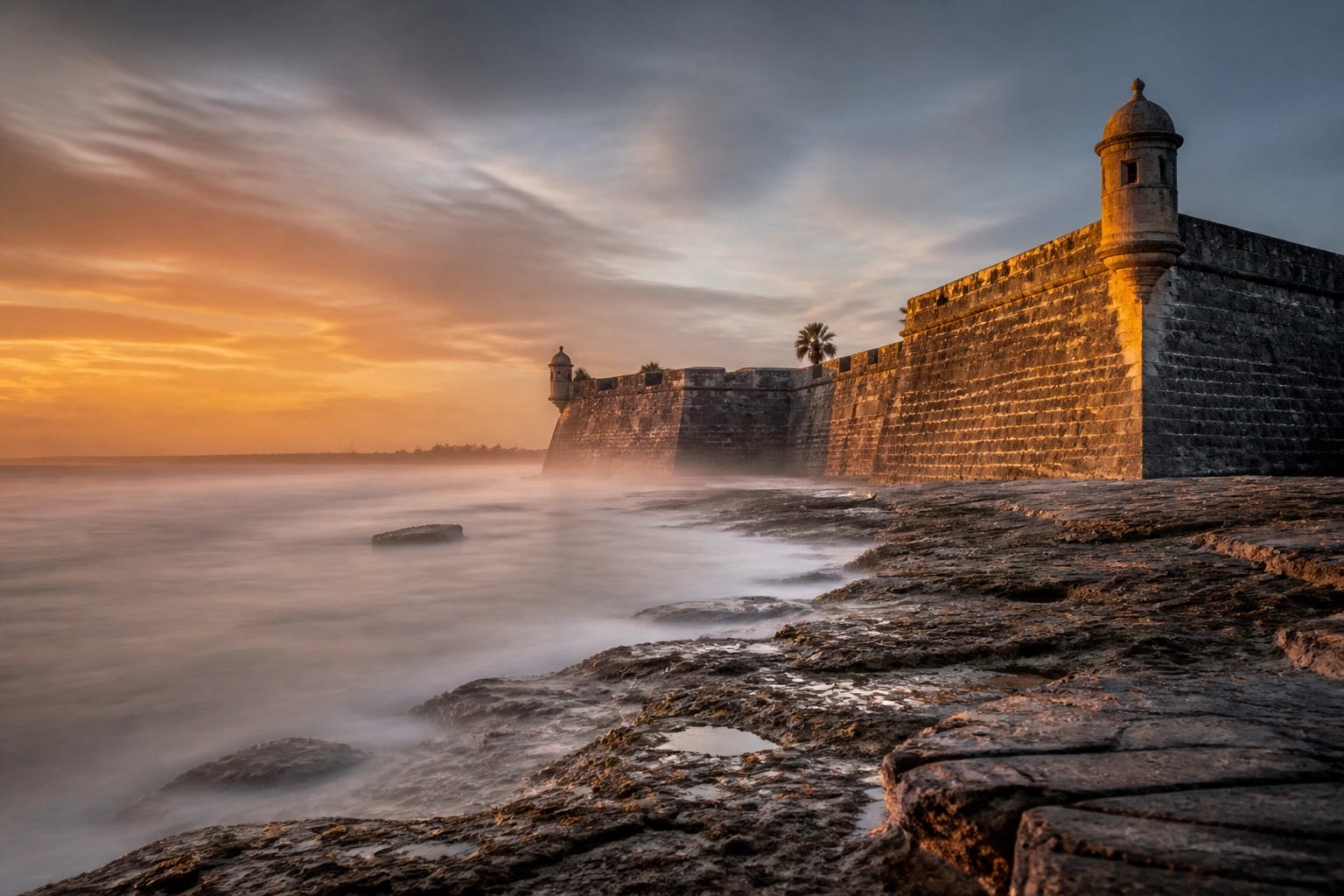
The historical record often suffers from a peculiar form of selective amnesia regarding the actual origins of European civilization on this continent. Most people who graduate from the American school system believe that the history of this nation began on a cold rock in Massachusetts during the year 1620. These individuals remain largely ignorant of the fact that the Spanish explorers established the city of St. Augustine in Florida several decades before the Pilgrims ever thought about leaving England. This earlier settlement remains the oldest permanent European city in the United States. The first Christian service ever held on these shores was a Catholic Mass celebrated by Spanish priests in the year 1565. This reality contradicts the popular narrative that suggests a purely Protestant beginning for the American experiment.
Secretary of State Marco Rubio recently delivered a virtual address that highlighted these ignored facts for a conference at The Catholic University of America. He explained that the Catholic faith has always served as an essential part of the American story. His remarks focused on the semiquincentennial celebration of the nation while pointing toward a deeper understanding of our shared past. He reminded the audience that the presence of the Church preceded the birth of the republic by centuries. The martyrs who died for Christ in the American wilderness consecrated this soil with their blood long before the first shot of the Revolution was fired. Instead of viewing Catholicism as a foreign import, we should recognize it as a foundational element of the Western tradition that birthed our nation.
The secular historians who frequent the faculty lounges of our elite universities prefer to ignore the actual dates of American history. They find it much more convenient to start the clock with the Enlightenment thinkers of the eighteenth century. This perspective suggests that the American founding was a radical rupture with the past rather than a continuation of an ancient tradition. Secretary Rubio argued that the American experiment represents a magnificent re-flowering of the Catholic intellectual tradition. He specifically mentioned the deep philosophy of St. Augustine and St. Thomas Aquinas as the true ancestors of our constitutional order. The founders might have been mostly Protestant or deist yet they breathed the air of a civilizational tradition that Rome built.
The intellectual framework of the American founding relies heavily on the scholastic traditions of the Middle Ages. St. Thomas Aquinas developed the primary concepts of law and justice that eventually found their way into the American Constitution. The writers of the Declaration of Independence recognized a fixed and unchanging moral order governed by the laws of nature. This moral order recognizes that every human person possesses inherent dignity because they are a creation of God. These rights exist independently of the state rather than being granted by a government decree. The secular understanding of rights usually ignores the corresponding necessity of duties. Genuine freedom requires a moral framework that keeps society from collapsing into chaos.
Marco Rubio noted that the American system was built to restrain human passion through the application of moral reason. This system recognizes that a free people must also be a virtuous people. Every right granted to a citizen includes a corresponding duty to the common good. Modern secularism often confuses freedom with the license to do whatever one desires. The Catholic tradition teaches that genuine freedom is always linked to virtue and moral obligation. We live in an era that celebrates license under the guise of liberty while forgetting the spiritual foundations of our society. The laws of nature come from the Creator and they impose obligations upon every citizen.
The spirit of the explorer is inherently Catholic because it follows the command of Christ to put out into the deep. This concept of Duc in Altum drove the pioneers across the dangerous frontiers of the New World. They sought to bring every corner of the earth under the lordship of Jesus Christ. This same spirit of expansion and discovery led the founders to pledge their lives and fortunes to the cause of independence. The Catholic explorers who first mapped the forests and rivers of North America acted under a divine mandate to spread the Gospel. They named the great geographical landmarks after saints and mysteries of the faith such as San Francisco and St. Louis and Maryland. These pioneers possessed a vision of the world that transcended the small villages of Europe.
The American Revolution represented a magnificent renewal of an ancient inheritance that was fitted to the unique experience of a free people. It was a recovery of the ancient liberties found in the English common law and the natural law tradition. Charles Carroll of Maryland persists as the only Catholic signer of the Declaration of Independence. Catholics joined the patriot cause at a rate that far exceeded their actual percentage of the population. George Washington even wrote to the Roman Catholics of America to thank them personally for their patriotic service. The revolution was a renewal of an older inheritance instead of a radical departure from the Christian past.
The secular narrative fails to mention the Spanish missions that stretched across the southern half of the continent. These holy sites represented the first attempts to establish a civilization based on the Gospel in this new world. The priests and pioneers who built these settlements faced incredible hardships and constant danger. They were driven by a desire to bring new worlds to Christ through the sacraments and the teaching of the Church. This pioneer spirit has shaped our nation from the very beginning. It is the same spirit that eventually allowed us to conquer the continents and reach for the stars.
We must reclaim our identity as a people rooted in the natural law and the Catholic intellectual tradition. This task requires us to look beyond the narrow stories told by secular textbooks. We should celebrate the fact that the first Christian service on our soil was a Catholic Mass. We should remember the martyrs who gave their lives to plant the seeds of faith in this wilderness. The American experiment is a gift where the Church and the civilization it made was reborn. To look upon the history of this land is to see the hand of God at work through the lives of faithful men and women.
Secretary Rubio reminded us that America was destined for greater things according to the words of Pope Leo XIII. The Catholic Church should help to bring about this perspective greatness by remaining true to its mission. We must refuse to accept the lie that our faith is a foreign presence in this land. The Catholic roots of America are deep and strong and ancient. They provide the necessary nourishment for a society that seeks to remain free and virtuous. By reclaiming these roots, we can find the strength to face the challenges of the modern world. We must continue to put out into the deep with the same courage as the explorers of old.
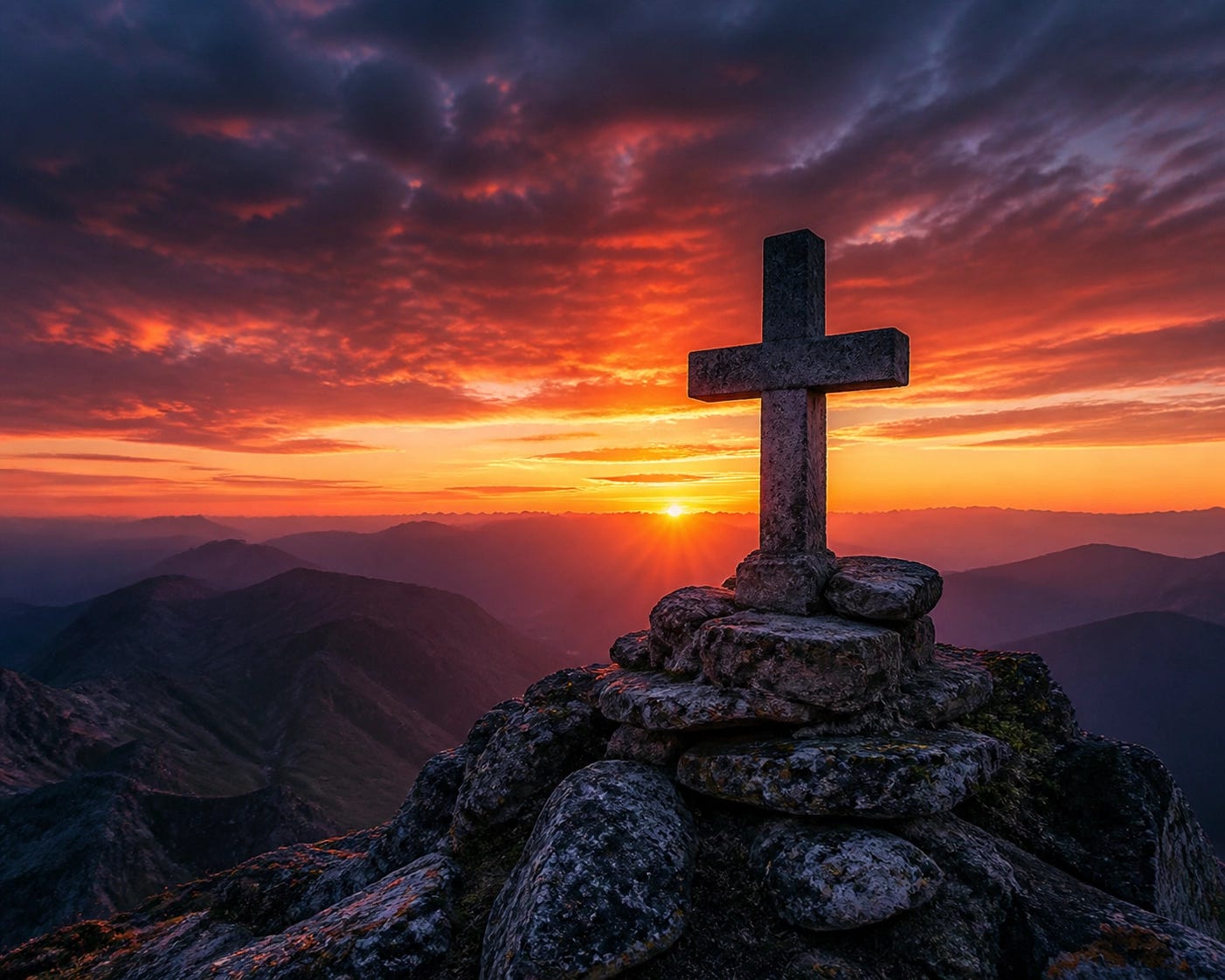
The future of the American experiment depends on our ability to remember who we are and where we came from. We are a people whose foundations are built upon the wisdom of the saints and the blood of the martyrs. This realization should transform the way we engage with the culture and the political order. We should act with the confidence of those who know that they are part of a grand and sacred story. Our contribution to the American story is essential for the survival of the republic. Let us move forward with the transformative power of the Gospel as our guide. The Catholic faith remains the true heart of the American story regardless of what the secular world might claim. For more insights on how our faith interacts with the public square, you can check out my thoughts on why we have no political savior. We must always remember that our primary allegiance belongs to the King of Kings while we work for the common good of our nation. By understanding our history, we can better navigate the complexities of our current post-Christian era.