
Navigating the Iran Conflict with a Catholic Mind
The Provocation of Peace

![[HERO] The Provocation of Peace: Navigating the Iran Conflict with a Catholic Mind | Dr. Marcus Peter](https://substackcdn.com/image/fetch/$s_!LAJF!,f_auto,q_auto:good,fl_progressive:steep/https%3A%2F%2Fsubstack-post-media.s3.amazonaws.com%2Fpublic%2Fimages%2F49d709c1-1d5a-4ede-a178-2df3b05dc4f3_1536x1024.webp "[HERO] The Provocation of Peace: Navigating the Iran Conflict with a Catholic Mind | Dr. Marcus Peter")
As the echoes of military strikes reverberate across the Persian Gulf and the digital landscape fills with the clamor of geopolitical pundits, the Christian soul finds itself at a crossroads that requires far more than mere political alignment or nationalistic fervor. We stand at a historical juncture where the temptation to retreat into familiar ideological camps remains high, yet the call of our baptism demands a perspective that transcends the borders of any single nation-state. To navigate the complexities of the escalating conflict with Iran, we must adopt a “Catholic First” paradigm, a way of seeing the world that prioritizes the wisdom of the Church and the universal dignity of the human person over the simplified narratives often found in secular media. This approach invites us to look past the surface of military strategy to examine the deeper moral currents at play, ensuring that our response is rooted in the transformative power of the Gospel rather than the reactive impulses of the age.
The “Catholic First” Mandate
In our current cultural climate, the impulse to view every global event through the lens of “America First” or a strictly nationalist framework remains incredibly strong among many well-meaning believers. While the virtue of patriotism is a legitimate and necessary aspect of the Christian life, it must always remain subordinate to our primary identity as citizens of the Kingdom of Heaven and members of the Universal Church. Adopting a “Catholic First” mindset means that our analysis of the Iran conflict should begin with the principles of the common good, the sanctity of life, and the pursuit of a peace that surpasses worldly understanding. When we allow our faith to lead our politics, we gain the clarity to see the Iranian people, the Israeli people, and our own American service members as brothers and sisters who possess an inherent dignity that no bullet or bomb can erase. This perspective encourages us to seek solutions that promote regional stability and human flourishing, moving beyond the zero-sum games of traditional geopolitics to embrace the expansive vision of the City of God. You can explore more about how our faith must intersect with reality at Reality Bats Last, where we delve into the necessity of maintaining a firm grip on truth in a shifting world.
The Demand of Virtue in Discourse
One of the most worrisome trends in contemporary religious discourse regarding Middle Eastern conflicts is the resurgence of perspectives that are purely anti-Israel or anti-Jewish in nature. Such attitudes are fundamentally unvirtuous and represent a failure of the Catholic imagination, as they ignore the profound spiritual bond between the Church and the Jewish people while indulging in ancestral prejudices that the Church has explicitly rejected. As Catholics, we are called to a higher standard of charity and intellectual honesty, avoiding the trap of scapegoating any group for the complexities of a multi-faceted regional war. This demand of virtue requires us to affirm the right of all peoples to live in security and peace, resisting the siren song of vitriolic rhetoric that seeks to dehumanize our neighbors. By rooting our commentary in a spirit of justice and mercy, we honor the legacy of our faith and contribute to a more constructive dialogue that seeks the protection of every innocent life, regardless of their religious or ethnic background.
Prudence in Policy and Presence
While we maintain our commitment to virtue, we must also exercise the cardinal virtue of prudence when evaluating the involvement of the United States in attacking Iran. It remains entirely legitimate and even necessary for Catholics to raise serious questions about the objectives, methods, and long-term consequences of such military actions. We must ask whether the criteria for a Just War are truly being met and whether the current path of escalation serves the authentic common good of the international community. This critical engagement is a sign of a healthy, informed citizenry that refuses to grant a blank check to any administration, regardless of political party. The Church teaches that war should always be a last resort, and thus, our advocacy for diplomacy and the cessation of hostilities reflects a commitment to the preservation of life and the avoidance of unnecessary suffering. We should reflect deeply on the nature of leadership and the moral weight of statecraft, as discussed in Toxic Statesmanship and the Christian, to understand how our leaders must be held to the standards of the Gospel.

Distinguishing the Regime from the People
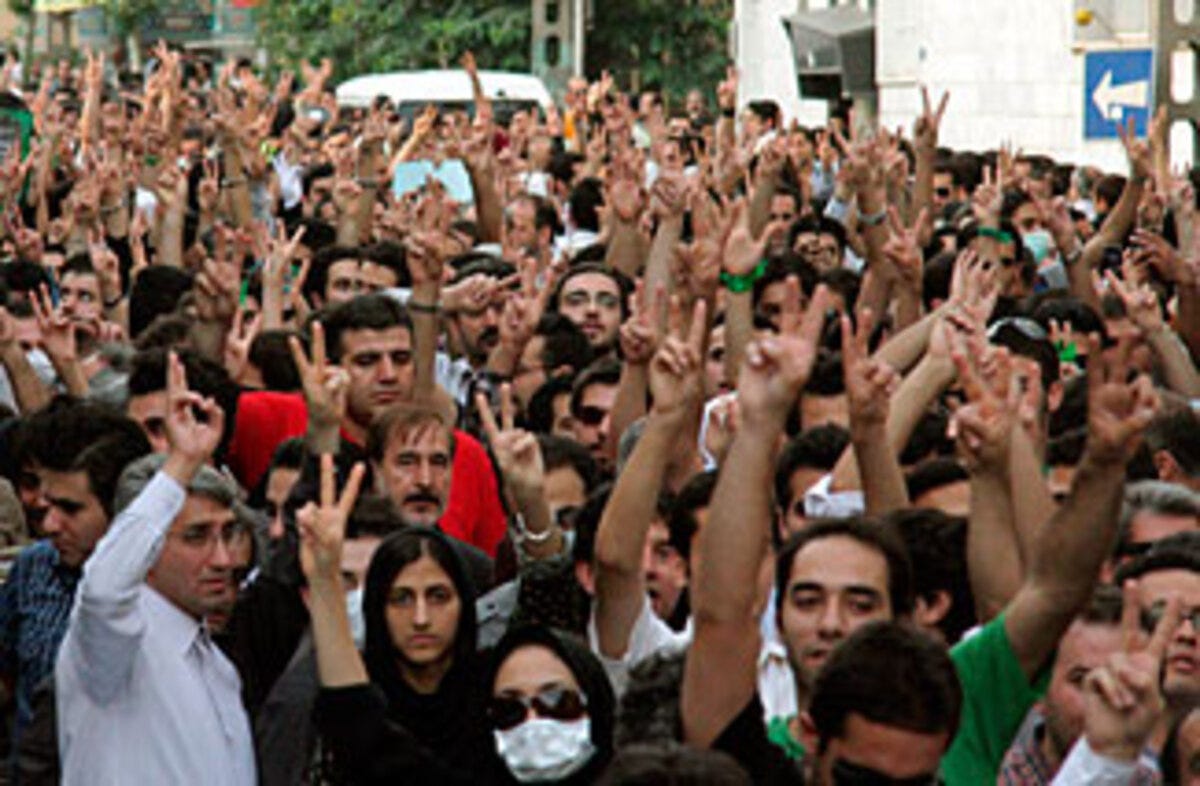
A crucial element of a nuanced Catholic perspective on this conflict involves making a sharp distinction between the despotic regime of the Ayatollah and the Iranian people themselves. For decades, the Iranian populace has lived under a voluntaristic, Quranic regime that has frequently prioritised ideological purity over the basic human rights and welfare of its citizens. The history of this regime is marked by tyrannical injustices and a tragic disregard for the dignity of those who dare to dream of a different future. However, if we listen closely to the voices coming out of Iran today, we find a palpable undercurrent of hope and a resilient desire for freedom that remains truly inspiring. These are people with a rich cultural heritage and a deep yearning for a society where they can live without the fear of state-sponsored violence or religious coercion. By acknowledging the blood on the hands of a despotic leadership while simultaneously recognizing the aspirations of the Iranian citizens, we develop a more compassionate and accurate understanding of the situation. This awareness calls us to support the legitimate hopes of the Iranian people for a just and free society, even as we mourn the chaos that war inevitably brings.
The Sanctity of Life and the Liturgy of Prayer
In the wake of violent strikes and retaliatory measures, the Catholic heart must refrain from any celebration of death, even when the deceased belonged to a regime we find abhorrent. Every soul lost in this conflict belongs to a person created in the image and likeness of God, and their passing is a moment for solemnity and intercession rather than triumph. We are called to pray fervently for all who have been killed, for the families left behind in mourning, and for the souls of those who find themselves caught in the machinery of war. Our prayers should extend to the soldiers on all sides, the civilians living in fear, and the leaders whose decisions carry the weight of life and death. We must beg the Holy Spirit for a cessation of the retaliatory violence that threatens to engulf the entire region in a spiral of destruction. Seeking the peace and order that only Christ can provide, we offer our petitions for a world where the wider common good is prioritized over the egos of men and the power of empires. This commitment to the dignity of every individual, beyond their nationality or political standing, is a core tenet of our faith, much like the insights shared in More Than Skin Color, which reminds us of our shared humanity under God.
Working Toward a Just Peace
The path forward in the Middle East remains incredibly complex and fraught with nuance, requiring a level of patience and spiritual maturity that the modern world often lacks. As Catholics, our role is to be agents of reconciliation and truth, refusing to be swept away by the tides of anger or the simplifications of propaganda. We must educate ourselves on the history of the region, the struggles of its people, and the theological dimensions of the conflicts that shape their lives. By doing so, we become better equipped to work toward a peace that is not merely the absence of war, but the presence of justice and the flourishing of the human spirit. Let us remain steadfast in our “Catholic First” paradigm, trusting that the Lord of History is at work even in the midst of the most harrowing trials. I invite you to explore the Archive for more reflections on how to live out this transformative faith in our turbulent times. Through prayer, penance, and a commitment to the demands of virtue, we can contribute to a future where the provocation of peace finally overcomes the cycle of war, and where the hope of the Iranian people finds its fulfillment in a just and ordered society.
…the Israeli regime has earned the disgust of thoughtful Catholics by the ongoing genocide in Gaza.
The Israeli regime have earned the disgust of Cstholics bybtge genocide