

Finding Unity in the Beauty of Tradition
The Father’s Heart of Pope Leo XIV

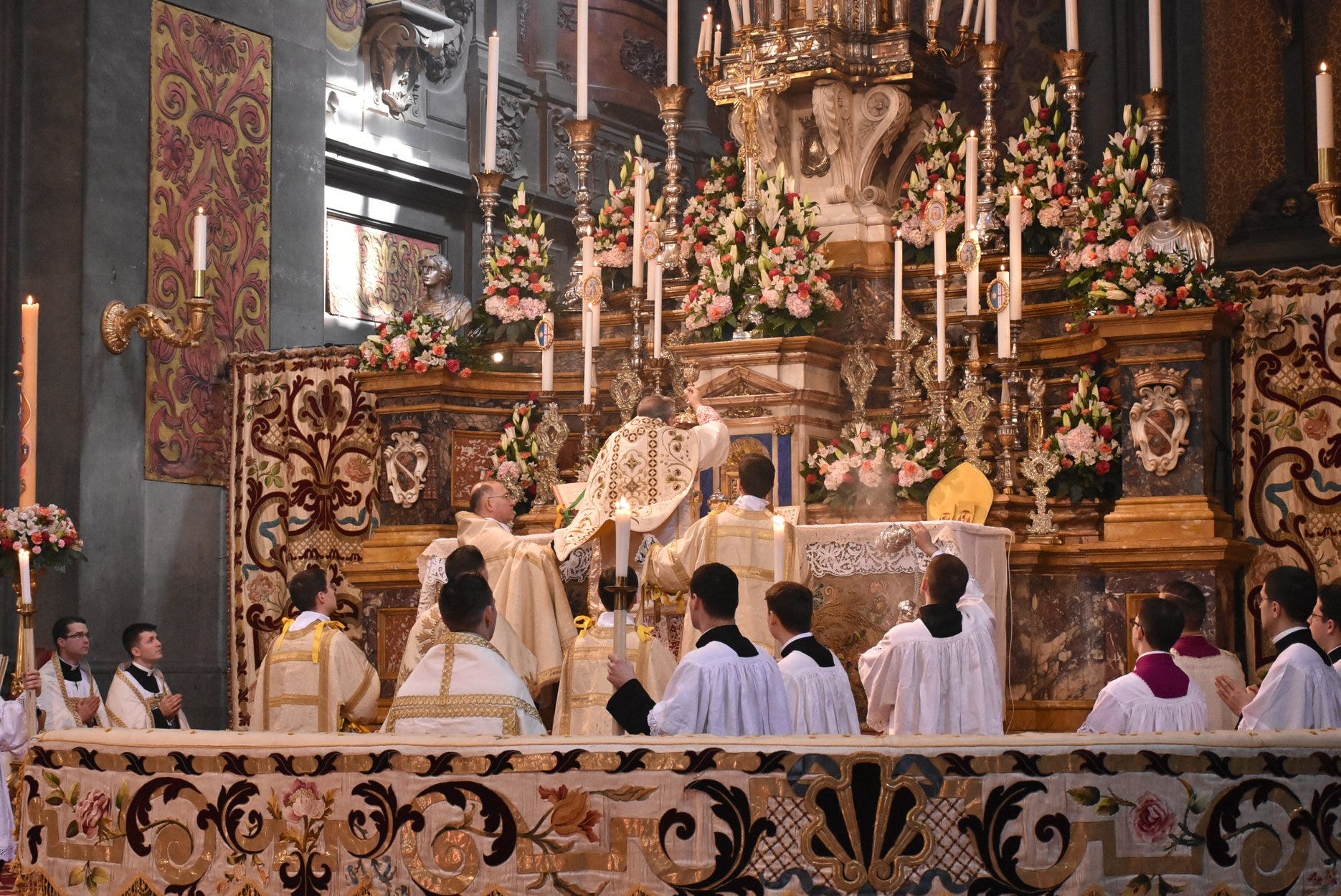
The liturgical life of the Church serves as the primary artery through which the grace of the Holy Spirit flows into the hearts of the faithful, yet this sacred stream sometimes encounters the debris of human conflict and misunderstanding. In recent times, we have witnessed a profound desire for the celebration of the Vetus Ordo, which many Catholics find to be a wellspring of profound silence and transcendent beauty. I wish to preface this article by pointing out that my family and I attend the Latin Mass at our home parish in Ann Arbor. At the same time, we are also a family deeply immersed in life in the Spirit and the renewed vigor and zeal He has brought about in the life of the Church, especially in spirituality, in the New Evangelization, and through the Second Vatican Council. Hence, we share the joy that Pope Leo XIV, acting with the pastoral sensitivity of a true shepherd, has recently signaled a path toward healing the fractures that have troubled our communal life for several years. His message emphasizes that the Mass remains the supreme sacrament of unity, a reality that demands our utmost attention as we navigate the complexities of modern ecclesiastical life. To quote him:
“May the Holy Spirit inspire you with concrete solutions that allow for the generous inclusion of those sincerely attached to the Vetus Ordo, in respect for the directions desired by the Second Vatican Council in matters of liturgy.”
Pope Leo XIV
By seeking concrete solutions to include those attached to the traditional liturgy, the Holy Father demonstrates a fatherly heart that listens to the spiritual yearnings of his children while maintaining the integrity of the whole Body of Christ.
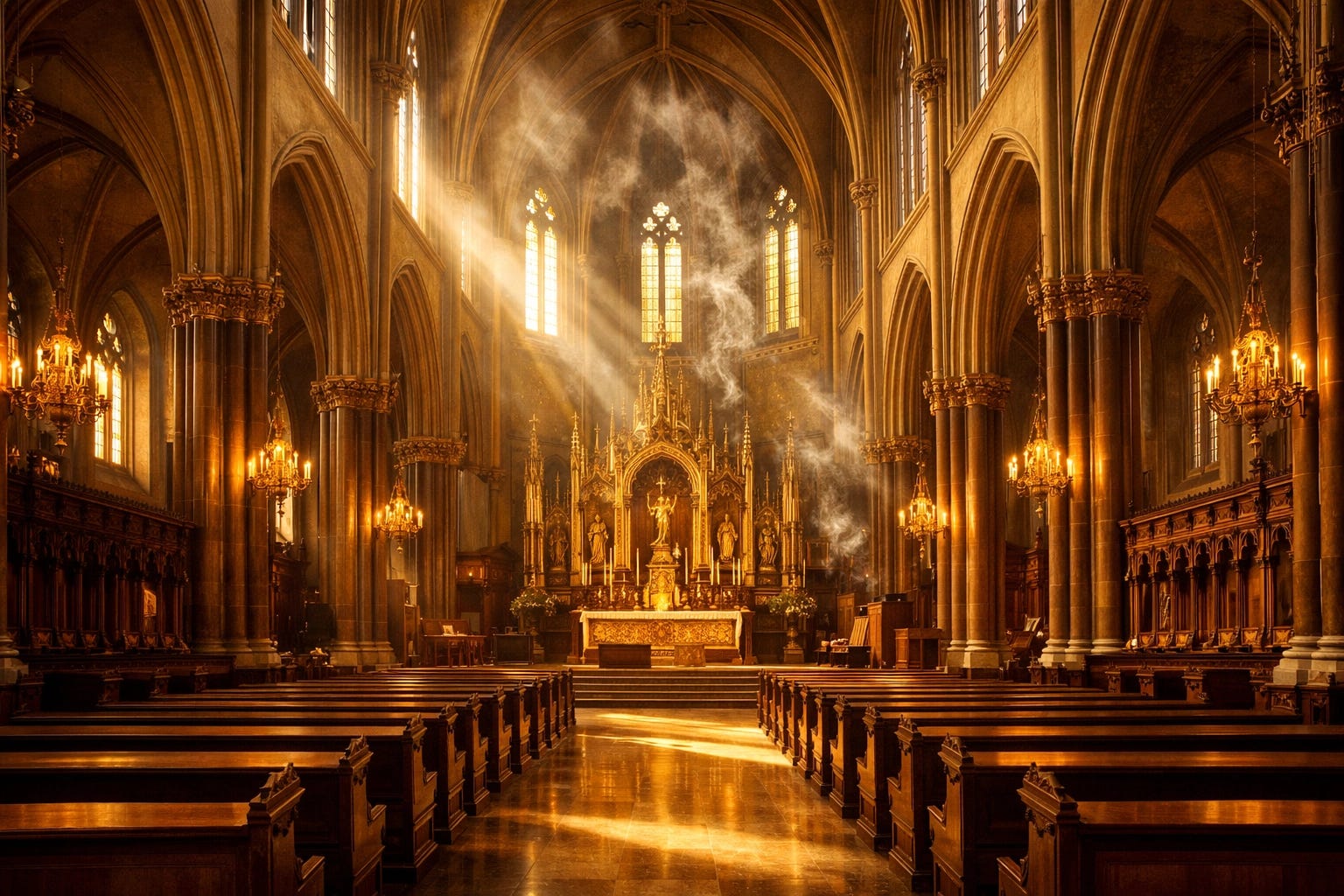
Understanding this outreach requires us to look beyond mere administrative policy and instead focus on the theological reality of the Church as a family. A father recognizes when his children feel displaced or unheard, especially when their desires involve a sincere pursuit of holiness, even through ancient and venerable forms of worship. The Vetus Ordo carries a weight of history and a specific aesthetic that speaks to the Natural Law written on the human heart, which naturally seeks the sublime and the eternal. When the Pope calls for a new outlook of each toward the other, he invites us to abandon the trenches of ideological warfare and instead embrace a charity that transcends liturgical preference. This transformative vision suggests that the diversity in liturgical sensibility should enrich our communion rather than serving as a catalyst for division or mutual suspicion.
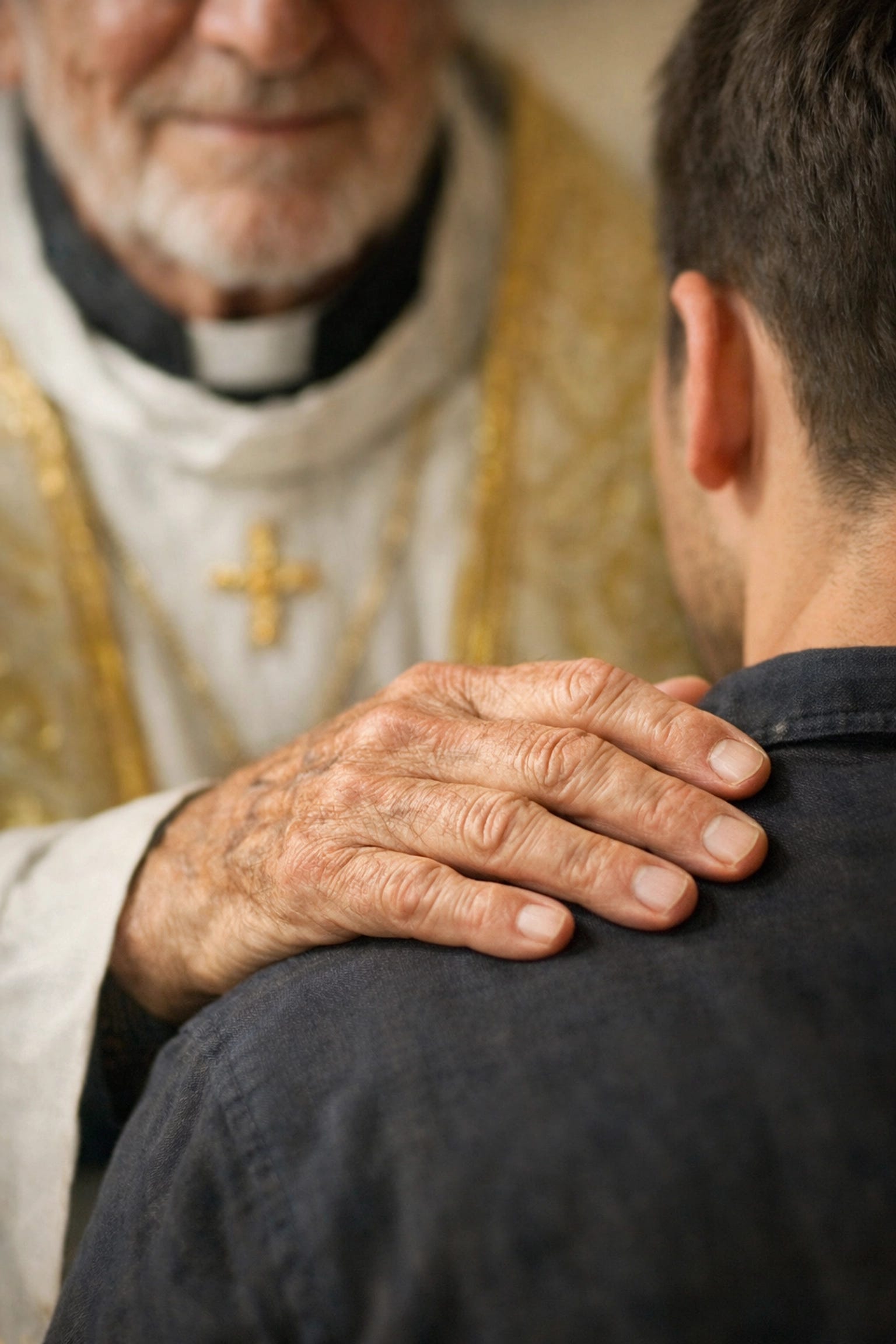
While we celebrate this opening toward greater inclusion, we must remain vigilant against the temptations that frequently accompany such movements within the Church. The Holy Father’s support for those devoted to the Vetus Ordo represents an act of mercy and pastoral care, yet this gesture should remain free from the grasp of radical traditionalist ire. At no point should this inclusion provide fuel for a sense of spiritual superiority or a platform for those who harbor persistent animosity toward the contemporary Magisterium, or the Novus Ordo. The beauty of the Tridentine liturgy belongs to the whole Church, so its celebration should foster humility rather than the arrogance that occasionally mars the witness of traditionalist circles. True devotion to the ancient rites includes a profound loyalty to the Successor of Peter and a joyful acceptance of the living authority of the Church, including glad participation in the Novus Ordo in all its aesthetic and beauty and richness as well. This kind of humility is what has guided the faithful through the challenges of every age since the time of the Apostles.
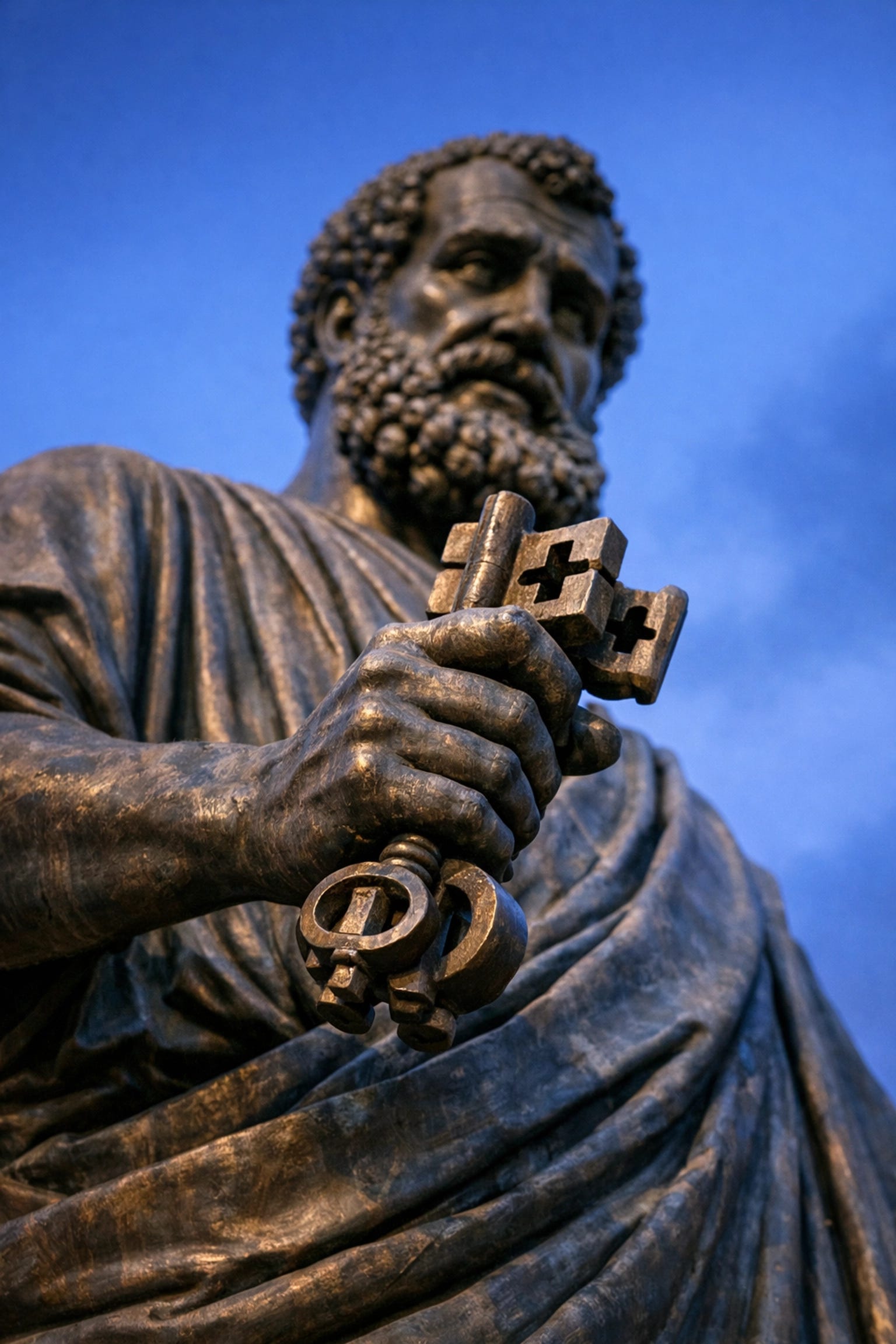
The history of the Church reveals that whenever we prioritize our personal preferences over the unity of the faith, we risk wounding the very Body of Christ we claim to love. Pope Leo XIV correctly identifies these divisions as painful wounds that require the balm of the Holy Spirit and a renewed commitment to mutual understanding. By emphasizing the directions of the Second Vatican Council, the Holy Father ensures that our journey into the riches of tradition remains anchored in the contemporary mission of the Church. We are called to be apostles in a world that often rejects the supernatural, which makes our internal unity even more vital for the success of our evangelization efforts. A house divided against itself fails to stand, and a Church preoccupied with internal liturgical strife struggles to speak the truth of the Gospel to a culture in desperate need of the Natural Law and the light of Christ’s revelation.
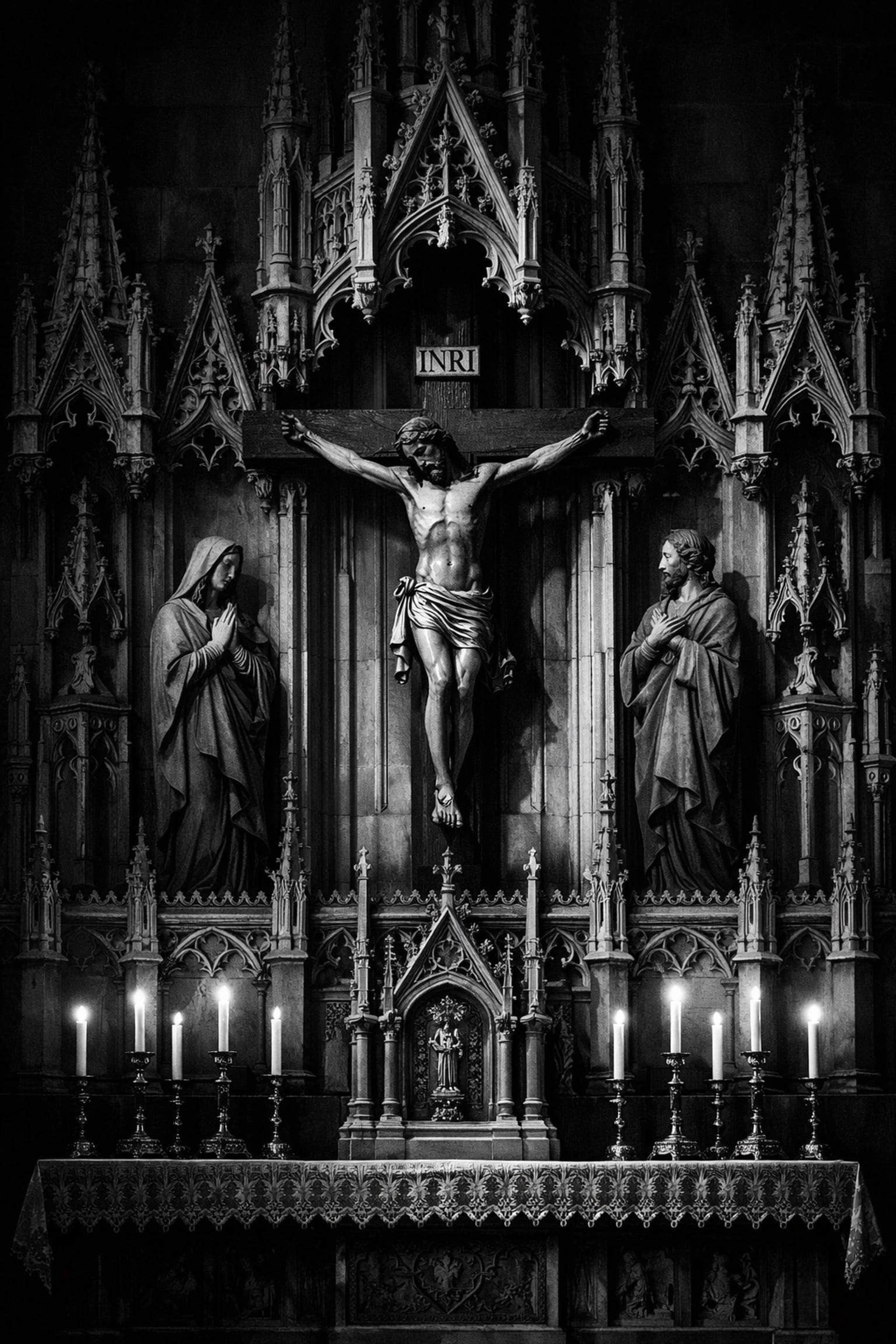
This fatherly approach also addresses the profound need for stability and continuity in an era characterized by rapid and often chaotic change. Many young families find in the Traditional Latin Mass a sense of permanence and a clear articulation of the sacrificial nature of the Eucharist, which provides a firm foundation for raising children in the faith. The Pope’s desire to accommodate these souls reflects a recognition that the Church is a wide house with many rooms, all of which must lead to the same central truth of the Real Presence. Instead of viewing those with traditional sensibilities as outliers or obstacles, the Holy Father is now asking to integrate them fully into the life of the diocese under the guidance of local bishops. This integration requires a sacrifice of pride from all sides, as well as a willingness to see the face of Christ in those who pray and worship differently than we do.
The path forward involves a radical commitment to charity, which St. Paul describes as the greatest of all virtues and the bond of perfection. We must refrain from the undue criticisms of the Magisterium that have characterized certain factions, as such behavior only serves to undermine the very authority that protects the liturgy itself. Similarly, we must also refrain from criticism of those who have a deep love and reverence for the Tridentine form of the liturgy, and a deeper appeal to the liturgical, sacramental, and intellectual tradition of the Church. Lest we believe the issue is on only one faction, I have witnessed obtuse denunciations from both sides that don’t serve the cause of charity and ecclesial unity. Spiritual superiority complexes are an easy slippery slope.
Rather than focusing on what divides us, we should look toward the common goal of the salvation of souls and the glorification of God through the worthy celebration of the mysteries of our faith. The Pope’s message serves as a powerful reminder that our primary identity resides in our status as children of God, redeemed by the Blood of the Lamb and called to live in a state of perpetual communion with one another.
As we move toward a future where liturgical diversity is handled with greater grace and wisdom, we should pray for our bishops as they discern the “concrete solutions” requested by the Holy Father. Their task remains difficult, as they must balance the needs of various communities while ensuring that the celebration of the Mass never becomes a source of scandal or confusion. By supporting their efforts with our prayers and our obedience, we contribute to the building up of the Church and the restoration of her inner peace. The beauty of tradition and spirituality, when lived with a heart of service and a spirit of true Catholicity, becomes a light that attracts the world to the truth of the Gospel.
Ultimately, the goal of every liturgical form is to bring the soul into a transformative encounter with the living God. Whether we find ourselves in the majestic silence of the Vetus Ordo or the communal participation of the Ordinary Form, our focus must remain fixed on the person of Jesus Christ. The Pope’s call for unity reminds us that the Eucharist is the food of pilgrims, meant to sustain us as we walk toward our heavenly homeland. By embracing this vision of liturgical harmony, we honor the Father’s heart and show the world that the Church remains the enduring sign of God’s love for humanity. Let us walk together in this new spirit of understanding, leaving behind the bitterness of the past and looking forward with confidence to the renewal of the Church in our time.
Through the intercession of the Blessed Virgin Mary, the Mother of the Church, may we find the strength to overcome our divisions and the courage to witness to the unity of the faith. Our world craves the stability and beauty that only the Church can provide, so let us ensure that our liturgical life reflects the splendor of the Truth. The Father’s heart is open to all His children, and our response should be one of gratitude, humility, and an unwavering commitment to the peace of the Holy City. In this way, the Mass truly becomes what it was always intended to be: the source of our strength and the ultimate sacrament of our unity in Christ.