
Christians Must be Better than Donald Trump
Why Christians Must Reject Speaking Ill of the Dead, Even When Politics Divide

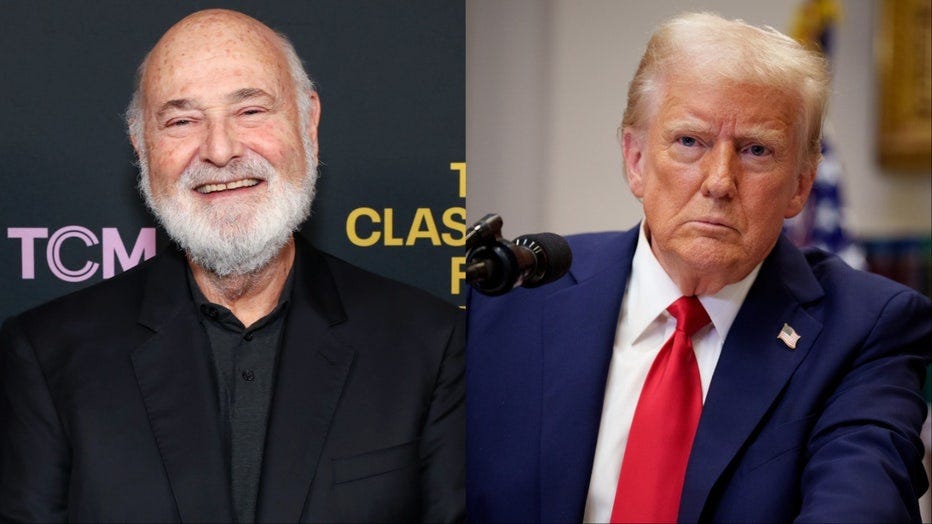
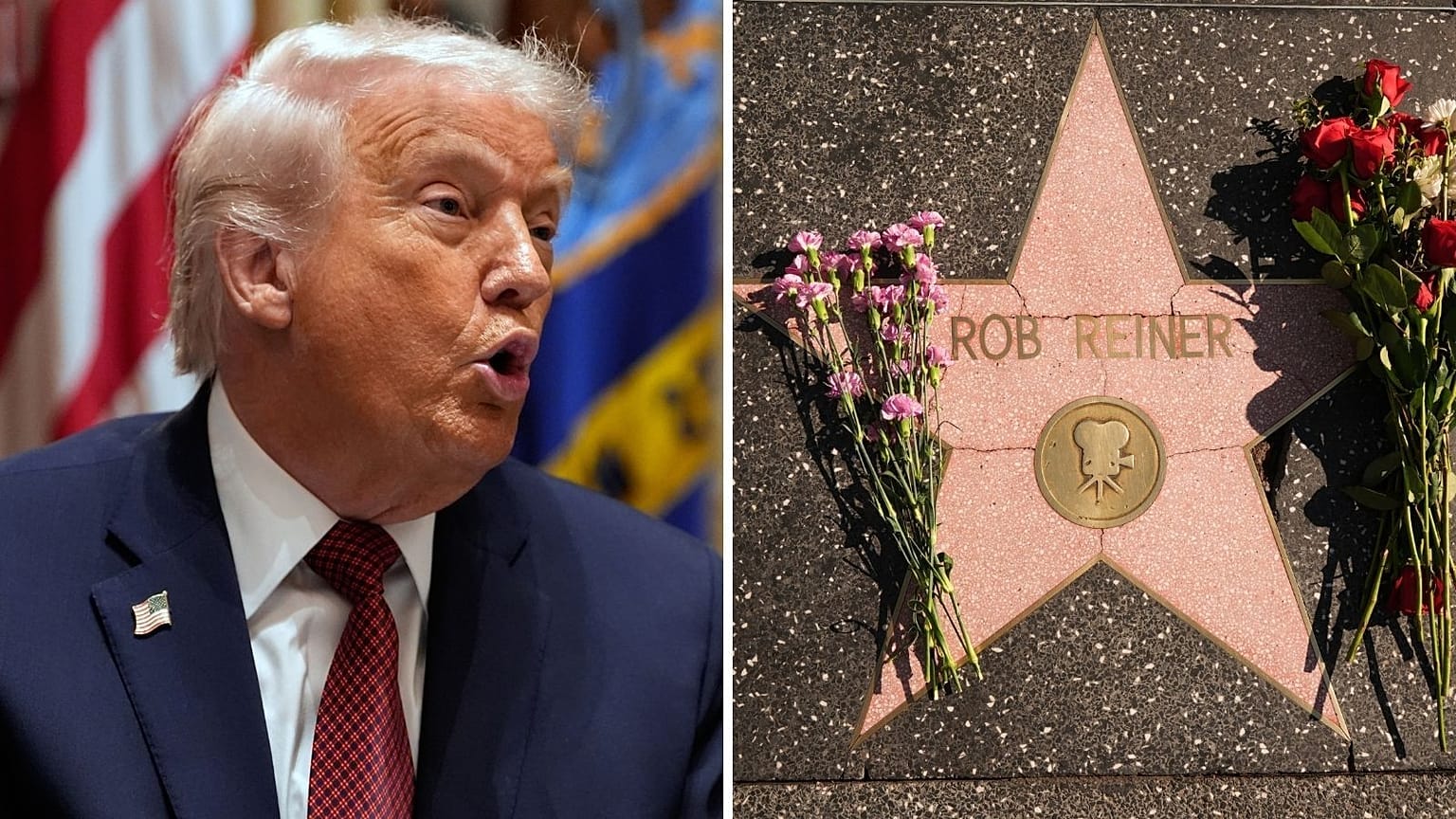
Recent events have provided American Christians with yet another moment to demonstrate the transformative power of moral witness in public life. When President Trump posted on Truth Social about filmmaker Rob Reiner’s death, the ensuing controversy revealed something deeper than partisan politics: it illuminated the urgent need for Christians to lead with consistent virtue regardless of political affiliation.
The principle of refusing to speak ill of the dead carries profound weight within Christian tradition, even as its application generates thoughtful debate among believers. This ancient maxim, traceable to Chilon of Sparta in the sixth century BC, has become so embedded in Western moral consciousness that many assume it possesses explicit biblical authority. While scripture itself presents a more nuanced picture: biblical authors occasionally spoke critically of deceased figures: the underlying Christian virtues of mercy, dignity, and redemption offer compelling reasons for restraint when addressing the departed.

The Christian Foundation for Honoring the Dead
Christian ethics regarding the deceased flow from several theological wellsprings. First, death represents the ultimate human vulnerability. Speaking harshly of those who can no longer defend themselves resembles what contemporary culture calls “punching down”: exercising power over the powerless. This dynamic contradicts the Christian call to protect the vulnerable and extend mercy to those who cannot reciprocate.
Second, the finality of death transforms the nature of our earthly disagreements. Whatever disputes we maintained with individuals during their lifetime lose their immediate purpose once they have passed into eternity. The dead have gone to meet their Creator; our arguments with them have reached their earthly conclusion. Continuing to prosecute those disputes serves little constructive purpose while potentially damaging our own souls through the cultivation of resentment.
Third, Jesus’s teaching about reciprocity: that the measure we give shall be the measure we receive: applies powerfully to how we treat the memory of the deceased. Christians who hope for charitable remembrance of their own earthly failures find wisdom in extending similar charity to others who have completed their earthly journey.
The Opportunity for Witness
The current controversy presents Christians with precisely the kind of moment that defines authentic witness. Cultural divisions run deep in American society, with political animosity reaching levels that concern observers across the ideological spectrum. When public figures engage in behavior that violates widely shared moral intuitions: such as speaking harshly of the recently deceased: Christians possess an opportunity to demonstrate a different way forward.
This represents more than merely claiming moral high ground. True Christian witness involves modeling the transformative power of gospel principles in concrete circumstances. When believers consistently apply standards of decency, mercy, and human dignity regardless of partisan considerations, they offer compelling evidence that Christianity provides resources for healing cultural wounds.
The response to the Truth Social post revealed encouraging signs that virtue can transcend party lines. Republican figures joined Democrats in expressing discomfort with the tone and timing of the remarks. This bipartisan recognition suggests that certain moral boundaries retain currency across political divisions, creating space for Christian voices to affirm shared values while pointing toward deeper sources of unity.
The Call for Consistent Leadership
Political leadership carries unique moral responsibilities. Those who seek or hold high office inevitably become role models, whether they desire that status or reject it. Their words and actions shape public discourse and influence cultural norms. When leaders speak carelessly or cruelly, they contribute to the coarsening of civic life that many Americans find deeply troubling.
Christians should expect and demand consistent virtue from political leaders regardless of party affiliation. This expectation flows naturally from Christian understanding of authority as service rather than privilege. Leaders serve the common good, which includes maintaining standards of decency that make productive civic dialogue possible.

The call for virtue applies equally to all political figures. Democrats who speak harshly of deceased Republicans deserve the same criticism as Republicans who speak harshly of deceased Democrats. Consistency in applying moral standards demonstrates that Christian engagement with politics flows from principle rather than partisan advantage.
Avoiding the Trap of Derangement
One significant temptation facing Christians in highly polarized times involves allowing righteous anger to metastasize into something destructive. When political figures behave badly, the appropriate Christian response involves clear moral condemnation coupled with continued commitment to productive engagement.
Christians can simultaneously condemn inappropriate rhetoric while maintaining focus on larger goals: the movement of culture toward goodness, truth, and human flourishing. Becoming so consumed with outrage over individual incidents that we lose sight of these broader objectives serves neither Christian witness nor the common good.
This balanced approach requires spiritual maturity. It demands the ability to hold firm moral convictions while avoiding the self-righteousness that makes productive dialogue impossible. Christians must speak clearly about moral failures while remembering their own need for grace and forgiveness.
The Path Forward
The controversy surrounding comments about Rob Reiner’s death will fade from public attention, as most such incidents do. What remains significant is how Christians choose to engage such moments when they arise. Each instance of inappropriate public discourse presents believers with a choice: respond with partisan reflexes or demonstrate the transformative power of gospel principles.
The most effective Christian response involves several elements. First, clear moral teaching that applies consistent standards regardless of partisan considerations. Second, patient engagement that seeks to persuade rather than merely condemn. Third, continued commitment to the long-term project of cultural renewal through witness and service.
Christians should also recognize that their credibility depends on consistency over time. Believers who condemn inappropriate rhetoric from political opponents while excusing similar behavior from political allies damage their witness and contribute to the cynicism that poisons public discourse.
The Deeper Question
Ultimately, controversies like this one raise deeper questions about the kind of society Americans want to inhabit. Do we prefer a culture where political disagreement justifies personal cruelty? Or do we aspire to something better: a society where vigorous debate coexists with basic human decency?
Christianity offers a compelling vision of human dignity rooted in the imago Dei: the belief that all people bear God’s image regardless of their political views, personal failings, or cultural contributions. This theological foundation provides resources for maintaining civility even amid sharp disagreement.
The death of any human being represents a moment for reflection on our shared mortality and mutual dependence on divine grace. Christians who seize such moments to model mercy and dignity contribute to the healing our culture desperately needs. Those who allow political passion to overwhelm basic decency miss opportunities for authentic witness.
As believers navigate these challenging times, the call remains constant: to live in a manner worthy of the gospel, demonstrating through word and deed that Christianity provides genuine resources for human flourishing. Speaking respectfully of the dead, even those with whom we disagreed in life, represents one small expression of this larger vocation.
The watching world takes note of how Christians respond to such moments. Our witness in these circumstances speaks volumes about whether our faith offers genuine transformation or merely provides religious veneer for the same tribal passions that drive secular politics. The choice, as always, remains ours.
That's a great idea. I'll consider this and write something serious on it. Thanks for sharing your thoughts with me.
You should write one on suicidal empathy: how we obsess over Trump's words (he's no saint, neither are any of us) yet we love the "manners" of people like Obama who speak like all other politicians and then turn around and abort millions of babies and bomb third world countries. If anything, it should be mainstream to criticize Obama, Hillary's and Biden's fake and hypocritical nice manners.